In most Punjabi households, you'll rarely hear a child refer to a family friend or distant relative simply by name: almost everyone gets a relationship title, often with the respectful suffix "ji" attached, even for a favorite chacha or a beloved masi. That habit says a lot about how central family relationships are in Punjabi culture, and it's exactly why getting these terms right matters when you're building out a family tree or trying to understand how relatives connect to each other.
This guide covers the core Punjabi family relationship names, parents, grandparents, aunts, uncles, cousins, and in-laws, with transliteration so you can use them confidently, whether you grew up with them or are learning them for the first time while researching your roots.
Parents and Grandparents
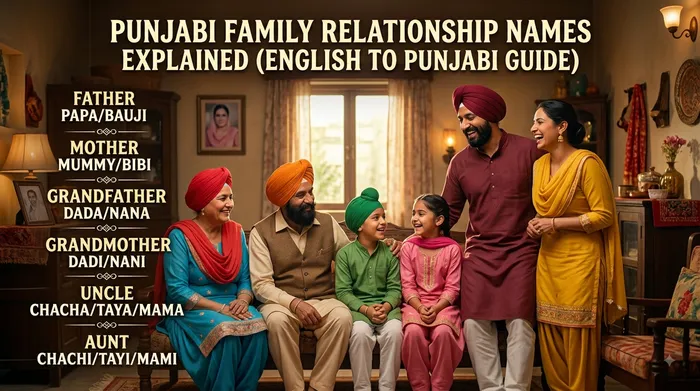
- Father: ਪਿਤਾ ਜੀ / ਬਾਪੂ ਜੀ (Pita ji / Bapu ji)
- Mother: ਮਾਤਾ ਜੀ / ਬੇਜੀ (Mata ji / Beeji)
- Paternal grandfather: ਦਾਦਾ ਜੀ (Dada ji)
- Paternal grandmother: ਦਾਦੀ ਜੀ (Dadi ji)
- Maternal grandfather: ਨਾਨਾ ਜੀ (Nana ji)
- Maternal grandmother: ਨਾਨੀ ਜੀ (Nani ji)
As with most North Indian languages, Punjabi keeps the paternal and maternal grandparents completely separate; there's no shared "grandpa" or "grandma" that covers both sides. That distinction is often the first thing that trips up people translating an oral family history into English.
Siblings
- Older brother: ਵੱਡਾ ਵੀਰ ਜੀ (Vadda Veer ji), often just "Veer ji"
- Younger brother: ਛੋਟਾ ਵੀਰ (Chota Veer)
- Older sister: ਭੈਣ ਜੀ (Bhain ji) or "Wadi Bhain"
- Younger sister: ਛੋਟੀ ਭੈਣ (Choti Bhain)
Punjabi, like Hindi and most Indian languages, always marks whether a sibling is older or younger; there's no neutral word that just means "brother" or "sister" without that context.
Father's Side: Taya, Chacha, and Bhua
- Father's older brother: ਤਾਇਆ ਜੀ (Taya ji); his wife: ਤਾਈ ਜੀ (Tai ji)
- Father's younger brother: ਚਾਚਾ ਜੀ (Chacha ji); his wife: ਚਾਚੀ ਜੀ (Chachi ji)
- Father's sister: ਭੂਆ ਜੀ (Bhua ji); her husband: ਫੁੱਫੜ ਜੀ (Fufar ji)
Just like in Hindi-speaking families, a father's older brother (Taya) and younger brother (Chacha) get different titles based on birth order relative to your father, not relative to you. That's a common point of confusion for anyone new to the system: it's always about where the relative falls in your father's own generation.
Mother's Side: Mama and Masi
- Mother's brother: ਮਾਮਾ ਜੀ (Mama ji); his wife: ਮਾਮੀ ਜੀ (Mami ji)
- Mother's sister: ਮਾਸੀ ਜੀ (Masi ji); her husband: ਮਾਸੜ ਜੀ (Masarh ji)
Unlike the father's brothers, a mother's brothers don't usually get split into older/younger titles: every maternal uncle is simply Mama ji.
Cousins: Often Just "Veer" and "Bhain"
Here's where Punjabi family culture does something distinctive: cousins, especially the children of a Taya or Chacha, are very often addressed with the same terms as siblings, Veer ji or Bhain ji, rather than a separate word for "cousin." This isn't a language gap; it reflects the joint-family tradition where paternal cousins were raised together, shared a home, and were treated as close as brothers and sisters. When a more specific label is needed, Punjabi speakers will say something like "Chacha ji de mundey" (Chacha's son) or "Masi ji di dhee" (Masi's daughter) rather than using one dedicated cousin word.
If you're recording this in a family tree, it's worth noting the actual sibling-style term your family used alongside the technical relationship (first cousin, paternal), since the affectionate title itself is part of the family's story.
In-Laws
- Husband's or wife's father: ਸਹੁਰਾ ਜੀ (Sohra ji)
- Husband's or wife's mother: ਸੱਸ (Sass)
- Husband's older/younger brother: ਜੇਠ (Jeth) / ਦਿਓਰ (Dyor)
- Wife's older/younger sister: ਸਾਲੀ (Saali), wife's brother: ਸਾਲਾ (Saala)
A Note on the "Ji" Suffix
You'll notice "ji" attached to nearly every term above. In Punjabi and broader Sikh culture, "ji" is an honorific added out of respect; it's used for grandparents, parents, and elder relatives, and dropping it can sound overly casual or even disrespectful in a formal setting. When documenting family relationships, especially in interviews with older relatives, keeping the "ji" in your notes preserves a bit of that cultural texture that a bare English translation would lose.
Frequently Asked Questions
What is the Punjabi word for grandfather?
It depends on which side. A paternal grandfather is Dada ji (ਦਾਦਾ ਜੀ) and a maternal grandfather is Nana ji (ਨਾਨਾ ਜੀ). The same split applies to grandmothers: Dadi ji on the father's side, Nani ji on the mother's side.
What do you call your father's younger brother in Punjabi?
He's Chacha ji (ਚਾਚਾ ਜੀ), while your father's older brother is Taya ji (ਤਾਇਆ ਜੀ), a distinction based entirely on birth order relative to your father.
Why do Punjabi families call cousins "Veer" and "Bhain"?
Because paternal cousins were traditionally raised in the same joint household and treated with the same closeness as siblings, so the sibling terms carried over rather than a separate "cousin" word being commonly used in everyday speech.
Is Punjabi kinship vocabulary similar to Hindi?
Very similar in structure: both distinguish paternal versus maternal relatives and mark birth order for siblings and a father's brothers. Many of the underlying concepts (Chacha, Mama, Masi, Bhua) exist in both languages, though the words and spellings differ.
How do I record Punjabi relationship titles in a digital family tree?
Add the Punjabi term (transliterated, or in Gurmukhi script if you prefer) as a note alongside the standard English relationship label. That way the tree stays searchable and clear for anyone, while preserving the actual words your family used.
Editor's picks
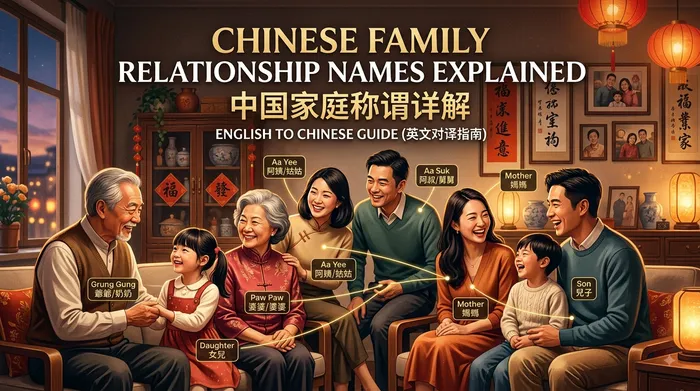
17 August 2026
Chinese Family Relationship Names Explained (English to Chinese Guide)
A clear guide to Chinese family relationship names in Mandarin, covering grandparents, aunts, uncles, and cousins on both the paternal and maternal sides.
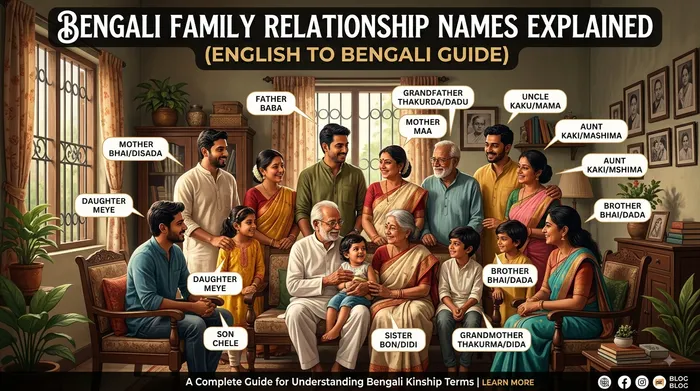
16 August 2026
Bengali Family Relationship Names Explained (English to Bengali Guide)
A clear guide to Bengali family relationship names, from baba and ma to mama, pishi, jamaibabu and shoshur, and why Bengali kinship terms are so precise about generation and side of the family.
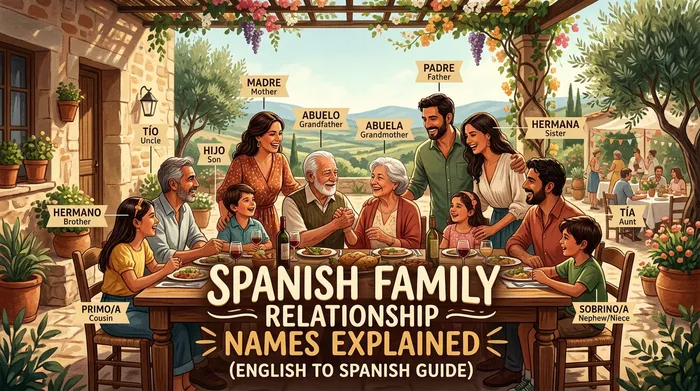
15 August 2026
Spanish Family Relationship Names Explained (English to Spanish Guide)
A clear guide to Spanish family relationship names, from parents and grandparents to in-laws, step-family, and the uniquely Latin American compadre/comadre bond, with regional terms useful for family history research.
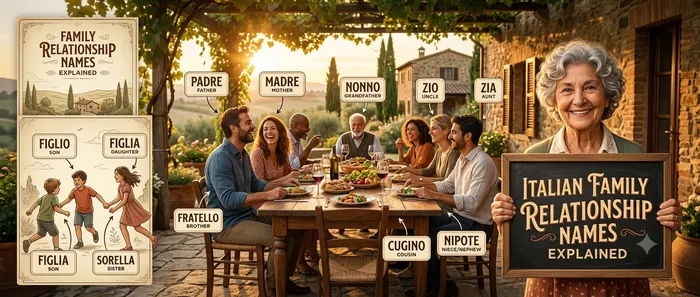
9 August 2026
Italian Family Relationship Names Explained
A complete English-to-Italian guide to family relationship names, covering parents, siblings, grandparents, cousins, in-laws, step-family and more with clear tables.
9 August 2026
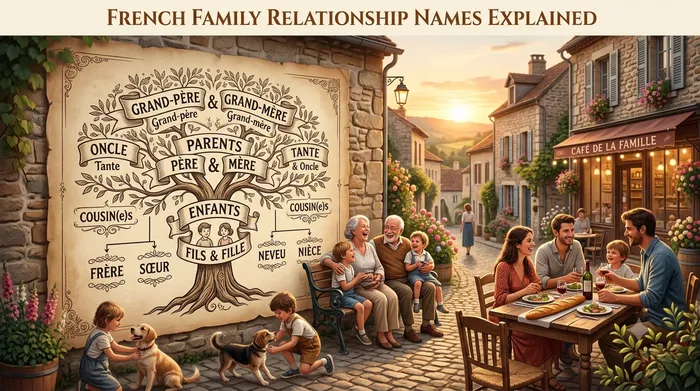
French Family Relationship Names Explained (English to French Guide)
A complete English-to-French guide to family relationship names, covering parents, siblings, grandparents, in-laws, cousins, step-family, and more with clear tables and examples.
9 August 2026
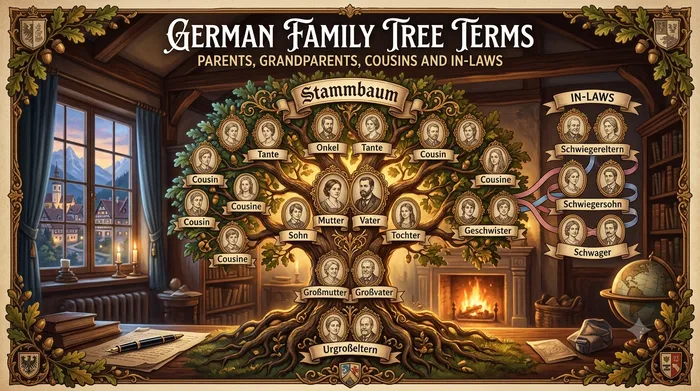
German Family Tree Terms: Parents, Grandparents, Cousins and In-Laws
A clear English-to-German guide to family tree terms, including parents, grandparents, siblings, cousins, uncles, aunts, in-laws, and step-relations with easy tables.
Create Your Family Tree for Free
Start building your family history in minutes with the My rOoOts Free Family Tree Creator. Add parents, grandparents, children, and relatives, organize generations visually, and create a beautiful family tree that you can save and share.
👉 Create your free family tree: Free Family Tree Creator
No design skills required. Simply enter your family details and generate a clear, easy-to-read family tree online for free.
Check Zodiac Compatibility for Any Two People
Curious about how well two people match based on their date of birth? Try the My rOoOts Zodiac Compatibility Tool to compare zodiac signs, explore relationship compatibility, and get a quick compatibility score for couples, friends, or family members.
👉 Check compatibility now: Zodiac Compatibility Calculator
You can enter two dates of birth and even mention the relationship type to get a more personalized compatibility result.
Download a Free Family Tree Template
Want to draw your family tree yourself? The My rOoOts Family Tree Template provides a free printable blank pedigree chart for documenting your family history across multiple generations.
👉 Download a free family tree template: Family Tree Template
Choose a 3-generation, 4-generation, or 5-generation family tree template and save it as a PDF for printing, writing, and documenting your ancestors.
Discover the Meaning and Origin of Your Surname
Ever wondered where your family name came from? Use the My rOoOts Surname Meaning Lookup to explore surname meanings, origins, history, and etymology from different regions and cultures around the world.
👉 Discover your surname meaning: Surname Meaning Lookup
Learn more about your last name and explore the possible linguistic, geographic, cultural, and historical roots behind your family surname.
Start your family tree free
No account needed to begin. Build it in minutes, then save it whenever you're ready.
Build your family tree