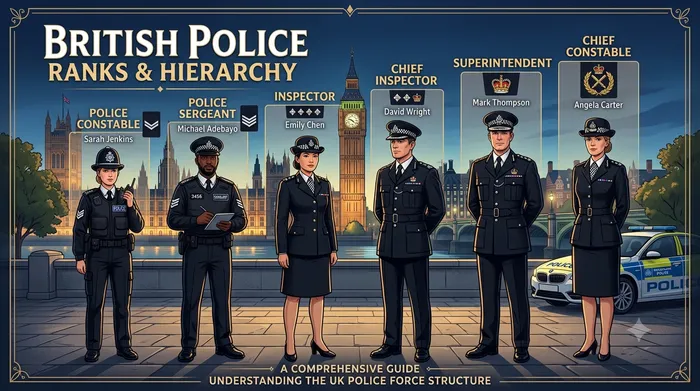
British Police Ranks Explained: Constable to Chief Constable
British policing uses a structured rank system that has remained broadly consistent for generations. From the newest Police Constable to the Chief Constable who leads an entire force, each rank carries distinct responsibilities and authority. This guide explains the ranks used in most territorial police forces across England and Wales, with notes on variations in Scotland, Northern Ireland, and the largest forces.
The Standard Rank Structure
In the majority of UK territorial police forces the hierarchy looks like this:
Constable
├── Sergeant
├── Inspector
├── Chief Inspector
├── Superintendent
├── Chief Superintendent
├── Assistant Chief Constable
├── Deputy Chief Constable
└── Chief Constable
British Police Rank Heirarchy tree
This structure applies to most forces outside London. The Metropolitan Police Service and City of London Police use a slightly different set of senior titles.
Rank-by-Rank Overview
| Rank | Typical Role | Key Responsibilities |
|---|---|---|
| Constable (PC / DC) | Front-line policing | Patrol, response, investigations, community work |
| Sergeant | First-line supervisor | Team leadership, guidance, quality of work |
| Inspector | Shift or unit management | Operational oversight, resource decisions |
| Chief Inspector | Senior operational or departmental role | Larger teams, project leadership, policy input |
| Superintendent | Command of a significant function or area | Strategic oversight of a department or borough |
| Chief Superintendent | Senior command | Force-wide or major command responsibilities |
| Assistant Chief Constable | Chief Officer team | Portfolio leadership (e.g. local policing, crime) |
| Deputy Chief Constable | Second-in-command of the force | Supports the Chief Constable, force leadership |
| Chief Constable | Head of the police force | Overall command, accountability, public leadership |
Detectives hold the same ranks but are often styled Detective Constable (DC), Detective Sergeant (DS), and so on.
What Each Level Involves
Constable
Every officer begins here after training. Constables form the backbone of British policing. They respond to incidents, conduct investigations, engage with communities, and exercise the core powers of arrest and search.
Sergeant
Sergeants are the first supervisory rank. They lead teams of constables, check the quality of investigations and paperwork, and provide on-the-ground leadership. Many officers regard the move to Sergeant as the most significant early career step.
Inspector and Chief Inspector
Inspectors typically manage a shift, a neighbourhood team, or a specialist unit. Chief Inspectors take on broader responsibility, often overseeing multiple teams or leading significant operational portfolios.
Superintendent and Chief Superintendent
These are senior command ranks. Superintendents frequently lead a basic command unit, a major department, or a geographic area. Chief Superintendents hold some of the most senior non-chief-officer positions in a force.
Chief Officer Ranks
Assistant Chief Constables, the Deputy Chief Constable, and the Chief Constable form the chief officer team. They set force strategy, manage major resources, and are publicly accountable for the performance and conduct of the entire organisation.
Variations Across the United Kingdom
Not every force uses identical titles at the top.
| Force / Nation | Notable Differences |
|---|---|
| Most England & Wales forces | Standard structure ending in Chief Constable |
| Metropolitan Police | Uses Commander, Deputy Assistant Commissioner, Assistant Commissioner, Deputy Commissioner, Commissioner |
| City of London Police | Similar senior structure to the Met, headed by Commissioner |
| Police Scotland | Largely similar ranks; headed by Chief Constable |
| Police Service of Northern Ireland | Comparable structure with Chief Constable at the top |
Specialist forces such as the British Transport Police and Civil Nuclear Constabulary follow closely related rank systems.
How Officers Progress Through the Ranks
Promotion is competitive and structured. Common elements include:
- Successful performance in the current rank
- Passing promotion examinations or assessment processes
- Interviews and practical assessments
- Evidence of leadership potential and operational competence
- In some cases, completion of specific leadership development programmes
The jump from Constable to Sergeant is often the first major filter. Higher ranks become progressively more selective. Appointment to Chief Constable is made by the relevant Police and Crime Commissioner (or equivalent) with oversight from national bodies.
Insignia and Recognition
Rank is shown on epaulettes and sometimes on shirts or jackets:
- Constables usually wear a simple shoulder number
- Sergeants display three chevrons
- Inspectors and above wear pips (stars), crowns, and combinations of both
- Chief officers have distinctive insignia that clearly mark their seniority
These visible markers allow both the public and colleagues to identify authority levels quickly.
Police Families and Service Records
Policing in Britain has long been a profession that runs in families. Many households can point to parents, grandparents, siblings, or children who have served at different ranks. These careers generate detailed personal histories of postings, promotions, operational experiences, and community service.
Preserving those details alongside wider family information creates a valuable record for future generations. A digital family tree can hold ranks held, forces served, years of service, and personal accounts in one private place. You can start building such a record for free, with no sign-up required, at the My rOoOts create-tree page.
The family tree generator offers an easy way to begin with known names and relationships. An ancestor timeline generator helps place career milestones against family events. When relatives from different branches add information, a relationship calculator can clarify kinship terms across generations.
Why Understanding Ranks Matters
Knowing the rank structure helps in everyday contexts:
- Interpreting news reports and official statements
- Understanding who holds decision-making power in a given situation
- Appreciating the experience required at each level
- Recording family service accurately and respectfully
The system balances front-line delivery with clear lines of command and accountability.
Conclusion
British police ranks progress from Constable through Sergeant, Inspector, Chief Inspector, Superintendent, and Chief Superintendent to the chief officer ranks of Assistant Chief Constable, Deputy Chief Constable, and Chief Constable. While the largest London forces use some different senior titles, the overall pattern of increasing responsibility remains consistent across the United Kingdom.
For families with connections to the police service, documenting ranks, forces, and personal stories creates a lasting record of public service. Combining that information with a clear digital family tree ensures that both professional achievements and family relationships remain visible and accessible for generations to come.
Editor's picks
5 August 2026
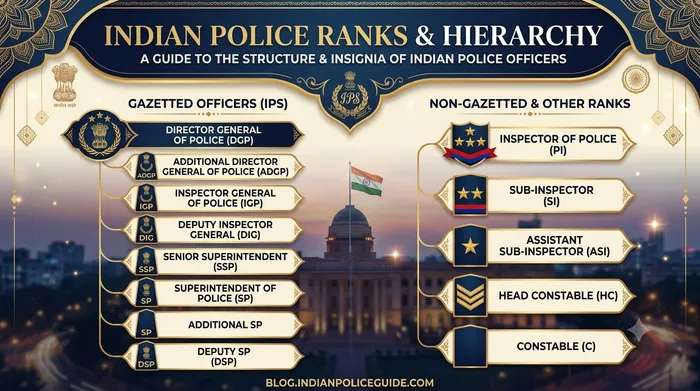
Indian Police Ranks Explained: Constable to DGP
A clear guide to Indian police ranks from Constable to Director General of Police (DGP), including the full hierarchy, responsibilities, IPS vs state police, and how officers progress.
5 August 2026
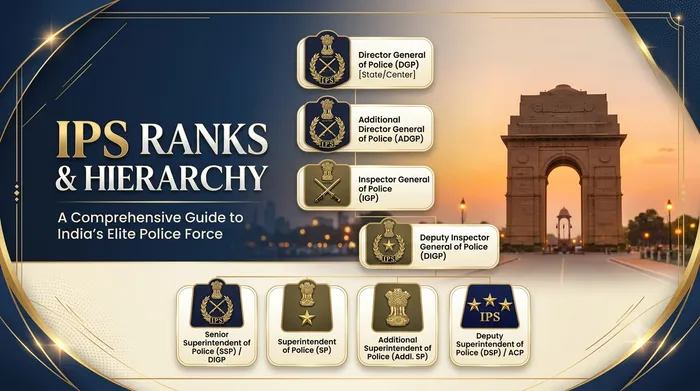
IPS Rank Structure Explained: Complete Hierarchy from ASP to DGP
A clear explanation of the IPS rank structure from Assistant Superintendent of Police to Director General of Police, including hierarchy, promotions, state vs central postings, and career progression.
8 August 2026
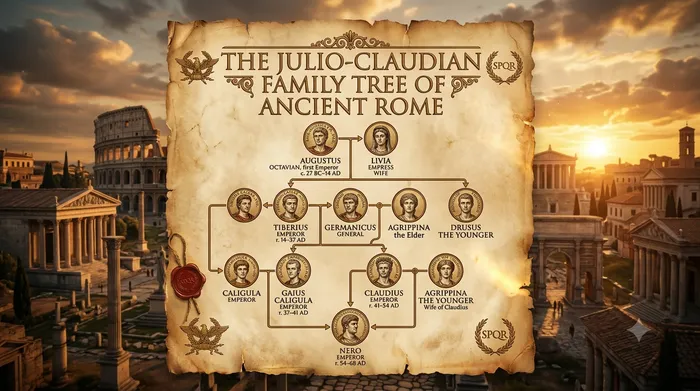
The Julio-Claudian Family Tree of Ancient Rome
Explore the Julio-Claudian family tree of ancient Rome, from Augustus to Nero, including the complex ties of blood, adoption, and marriage that shaped the first imperial dynasty.
6 August 2026
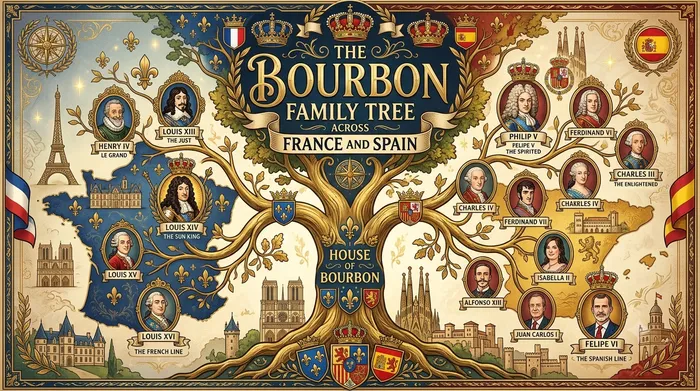
The Bourbon Family Tree Across France and Spain
Explore the Bourbon family tree from its French royal origins under Henry IV to the Spanish Bourbons who still reign today, including key kings and dynastic links.
6 August 2026
The British Royal Family Tree Explained Simply
A simple guide to the British Royal Family tree, from Queen Elizabeth II to King Charles III, the Prince of Wales, and the next generation of working royals.
Create Your Family Tree for Free
Start building your family history in minutes with the My rOoOts Free Family Tree Creator. Add parents, grandparents, children, and relatives, organize generations visually, and create a beautiful family tree that you can save and share.
👉 Create your free family tree: Free Family Tree Creator
No design skills required. Simply enter your family details and generate a clear, easy-to-read family tree online for free.
Check Zodiac Compatibility for Any Two People
Curious about how well two people match based on their date of birth? Try the My rOoOts Zodiac Compatibility Tool to compare zodiac signs, explore relationship compatibility, and get a quick compatibility score for couples, friends, or family members.
👉 Check compatibility now: Zodiac Compatibility Calculator
You can enter two dates of birth and even mention the relationship type to get a more personalized compatibility result.
Download a Free Family Tree Template
Want to draw your family tree yourself? The My rOoOts Family Tree Template provides a free printable blank pedigree chart for documenting your family history across multiple generations.
👉 Download a free family tree template: Family Tree Template
Choose a 3-generation, 4-generation, or 5-generation family tree template and save it as a PDF for printing, writing, and documenting your ancestors.
Discover the Meaning and Origin of Your Surname
Ever wondered where your family name came from? Use the My rOoOts Surname Meaning Lookup to explore surname meanings, origins, history, and etymology from different regions and cultures around the world.
👉 Discover your surname meaning: Surname Meaning Lookup
Learn more about your last name and explore the possible linguistic, geographic, cultural, and historical roots behind your family surname.
Start your family tree free
No account needed to begin. Build it in minutes, then save it whenever you're ready.
Build your family tree