Public Family Trees/Moroccan Royal Family Tree - Alaouite Dynasty
Moroccan Royal Family Tree - Alaouite Dynasty
Explore 32 people across 13 generations of the Moroccan Royal family, built with My rOoOts.
32
People
13
Generations
11
Living
21
Passed on
6
Marriages
67 yrs
Avg. lifespan
Family Tree
32 members mapped across 13 generations
Loading family tree…
Your turn
Build a tree like this for your own family
Free, with no sign-up to start. Add yourself, then your parents and grandparents, and watch it grow.
About the Moroccan Royal family
The Alaouite Dynasty is the current ruling royal family of Morocco and one of the world's oldest surviving monarchies. For nearly 400 years, the dynasty has shaped Morocco's political, religious, military, and cultural identity while maintaining an unbroken line of succession from its founder, Moulay Ali Sharif, in the 17th century to the present monarch, King Mohammed VI.
Unlike many royal houses that disappeared through revolutions or colonial rule, the Alaouite dynasty survived tribal conflicts, European colonization, the French Protectorate, independence, constitutional reforms, and the modern democratic era. Today, it remains a symbol of Morocco's unity and continuity, with the king serving as both the country's head of state and the religious leader known as the Commander of the Faithful (Amir al-Mu'minin).
This guide explores the complete Alaouite family tree, the dynasty's origins, its most influential rulers, and the modern royal family that continues to lead Morocco.
At a glance
- Dynasty Name
- Alaouite Dynasty (Alawite Dynasty)
- Country
- Morocco
- Founded
- 1631 CE
- Founder
- Moulay Ali Sharif
- Current Monarch
- King Mohammed VI
- Heir Apparent
- Crown Prince Moulay Hassan
- Royal Capital
- Rabat, Morocco
- Historic Imperial Capitals
- Meknes, Fez, Marrakesh, Rabat
- Royal House Religion
- Sunni Islam
- Royal Title
- Commander of the Faithful (Amir al-Mu'minin)
- Years in Power
- Nearly 400 years (1631–Present)
13 generations, 1589 to 2003
1589
Gen 1
Moulay Ali Sharif1631
Gen 2
Moulay al-Rashid1694
Gen 3
Moulay Abdallah1710
Gen 4
Sidi Mohammed ben Abdallah (Mohammed III)1748
Gen 5
Moulay Hisham1778
Gen 6
Moulay Abd al-Rahman1802
Gen 7
Mohammed IV1836
Gen 8
Moulay Hassan I1882
Gen 9
Moulay Yusef1909
Gen 10
Mohammed V1929
Gen 11
Hassan II1962
Gen 12
Lalla Meryem2003
Gen 13
Moulay Hassan
Read the full historyHide the full history
Origins of the Alaouite Dynasty
The Alaouite dynasty traces its ancestry to Hasan ibn Ali, the grandson of the Prophet Muhammad. Because of this lineage, the family is regarded as Sharifs, descendants of the Prophet, giving them both religious legitimacy and political authority within Morocco.
The dynasty began in Tafilalt, an oasis region in southeastern Morocco that became an important center of trade connecting North Africa with the Sahara. During the early 1600s, Morocco was politically fragmented after the decline of the Saadi dynasty, with regional tribes competing for power.
In 1631, Moulay Ali Sharif emerged as the ruler of Tafilalt. Although he governed only a regional territory, he established the Sharifian dynasty that would later unite Morocco under his descendants.
His sons transformed a local ruling family into Morocco's royal house.
The Founder: Moulay Ali Sharif
Moulay Ali Sharif is remembered as the founder of Morocco's Alaouite dynasty. His leadership in Tafilalt provided stability during a period of political fragmentation, and his descendants inherited both his religious status and regional influence.
Rather than conquering Morocco himself, he built the foundation that allowed his sons to establish a unified Moroccan state.
His legacy continues through every Moroccan monarch today.
Moulay Rashid and the Unification of Morocco
The dynasty's first great ruler was Moulay Rashid, who became Sultan in 1666.
At the time, Morocco was divided among regional rulers, tribal confederations, and remnants of previous dynasties. Moulay Rashid defeated rival powers and successfully reunited the country under Alaouite rule.
Major Contributions
- Unified Morocco under one monarchy.
- Established the Alaouite Sultanate.
- Created a centralized government.
- Strengthened royal authority across tribal regions.
Although he ruled for only a few years, Moulay Rashid transformed the Alaouite family into Morocco's legitimate royal dynasty.
Moulay Ismail: The Warrior Sultan
After Moulay Rashid's death, his half-brother Moulay Ismail ruled from 1672 to 1727, one of the longest reigns in Moroccan history.
He is considered one of Morocco's greatest rulers because he transformed the monarchy into a powerful centralized state.
Why Moulay Ismail is Famous
- Built Meknes as an imperial capital.
- Created the elite Black Guard Army (Abid al-Bukhari).
- Expanded Morocco's military power.
- Strengthened diplomacy with European kingdoms.
- Built hundreds of forts, palaces, and mosques.
His reign brought political stability and expanded Morocco's influence across North Africa and Europe.
The Succession Crisis After Moulay Ismail
Moulay Ismail reportedly had dozens of wives and hundreds of children, leading to one of Morocco's most complicated royal succession periods.
Several sons—including Ahmad ad-Dhahabi, Abdelmalek, and Moulay Abdallah—briefly occupied the throne during decades of internal conflict.
Although these reigns were unstable, the Alaouite dynasty itself survived because royal legitimacy remained within the Sharifian family line.
This period demonstrated the resilience of the dynasty despite intense rivalry among royal heirs.
Mohammed III and Morocco's Global Diplomacy
Mohammed III ibn Abdallah restored stability after years of succession struggles.
He ruled from 1757 to 1790 and modernized Morocco's economy and diplomacy.
Major Achievements
- Founded the port city of Essaouira (Mogador).
- Expanded international trade.
- Developed Morocco's navy.
- Recognized the United States in 1777, making Morocco one of the first countries to acknowledge American independence.
- Improved diplomatic relations with Europe and the Middle East.
His reign positioned Morocco as an important trading nation between Africa and Europe.
The Last Independent Sultans
The nineteenth century brought increasing European influence over Morocco.
Moulay Slimane
Moulay Slimane emphasized religious scholarship, administrative reforms, and political stability while limiting foreign influence.
Abd al-Rahman
Abd al-Rahman modernized the military and attempted to protect Morocco from French expansion following the French conquest of neighboring Algeria.
Mohammed IV
After Morocco's defeat in the Hispano-Moroccan War, Mohammed IV introduced military and governmental reforms to strengthen the kingdom.
Hassan I
Hassan I became one of Morocco's last strong independent sultans.
He traveled throughout Morocco to reinforce royal authority, modernized the army, improved taxation, and expanded state administration into remote tribal regions.
His reign delayed colonial domination through diplomacy and modernization.
The French Protectorate Era
The Alaouite dynasty entered a new chapter during the early twentieth century.
Abdelaziz
Young Sultan Abdelaziz introduced modern inventions including telegraphs, photography, electricity, and bicycles. However, financial debt and political unrest weakened his rule.
Abdelhafid
His brother Abdelhafid overthrew him and signed the Treaty of Fez in 1912, establishing the French Protectorate over Morocco.
Although sovereignty became limited, the Alaouite monarchy continued to exist.
Moulay Youssef
Moulay Youssef ruled under French administration while preserving the monarchy's religious authority and preparing the way for his son, Mohammed V.
Mohammed V: Father of Independent Morocco
Few members of the Alaouite dynasty are as respected as Mohammed V.
Ascending the throne in 1927, he became the symbol of Morocco's independence movement.
His Historic Role
- Supported Moroccan nationalism.
- Opposed colonial rule.
- Exiled by France in 1953.
- Returned in 1955 after massive public protests.
- Became Morocco's first King in 1957.
His return united Moroccans across political, ethnic, and religious communities.
Mohammed V is widely remembered as the Father of Modern Morocco.
Hassan II and the Modern Kingdom
King Hassan II ruled Morocco from 1961 to 1999.
His nearly four-decade reign transformed Morocco politically and economically.
Major Contributions
- Led the Green March in 1975.
- Expanded Morocco's infrastructure.
- Introduced constitutional reforms.
- Strengthened diplomatic relations with Africa, Europe, and the Arab world.
- Expanded education and healthcare institutions.
His reign also faced political challenges known as the "Years of Lead," making him one of Morocco's most influential and debated monarchs.
King Mohammed VI and the Contemporary Royal Family
Since 1999, King Mohammed VI has led Morocco through a period of modernization and economic development.
Major Achievements
- Launched the Tangier Med Port, one of Africa's largest ports.
- Built Al Boraq, Africa's first high-speed railway.
- Invested heavily in renewable energy through the Noor Solar Complex.
- Expanded Morocco's economic partnerships across Africa.
- Approved constitutional reforms during the 2011 Arab Spring.
His reign focuses on balancing tradition with modernization while preserving the monarchy's constitutional role.
The Current Moroccan Royal Family
The present Alaouite royal family represents multiple generations of Moroccan leadership.
Crown Prince Moulay Hassan
Born in 2003, Crown Prince Moulay Hassan is the heir apparent to Morocco's throne. He regularly accompanies King Mohammed VI during official ceremonies, military events, diplomatic visits, and national celebrations, preparing for future leadership.
Princess Lalla Khadija
Princess Lalla Khadija represents the youngest generation of the royal family and participates in educational and cultural events across Morocco.
Prince Moulay Rachid
The king's younger brother serves as an important diplomatic representative and promotes sports, culture, education, and international cooperation.
Princesses Lalla Meryem, Lalla Asma, and Lalla Hasna
These royal princesses lead numerous charitable foundations supporting children's rights, education, healthcare, disability inclusion, environmental protection, and sustainable development.
Together, they represent the humanitarian face of Morocco's monarchy.
Religion and the Alaouite Monarchy
A defining characteristic of the Alaouite dynasty is its religious authority.
The Moroccan king carries the title Commander of the Faithful (Amir al-Mu'minin), making him both a political leader and protector of Islam in Morocco.
This role allows the monarchy to oversee religious institutions, promote moderate Islamic traditions, preserve Morocco's historic mosques and shrines, and maintain religious unity throughout the country.
The combination of religious legitimacy and constitutional monarchy is unique among many modern monarchies.
Why the Alaouite Dynasty Matters Today
The Alaouite dynasty is one of the few royal families that has continuously ruled the same country for nearly four centuries. Its survival through civil wars, succession crises, colonial occupation, independence movements, and constitutional reforms reflects remarkable political continuity.
Today, the dynasty symbolizes Morocco's national identity, historical heritage, and institutional stability. From Moulay Ali Sharif in Tafilalt to King Mohammed VI in Rabat, the Alaouite family has guided Morocco through some of the most significant transformations in North African history while preserving one of the world's oldest living monarchies.
Alaouite Dynasty Timeline
| Period | Key Monarch | Historical Significance |
|---|---|---|
| 1631–1636 | Moulay Ali Sharif | Founded the Alaouite dynasty in Tafilalt. |
| 1666–1672 | Moulay Rashid | Unified Morocco under Alaouite rule. |
| 1672–1727 | Moulay Ismail | Built the modern Alaouite state and Meknes. |
| 1757–1790 | Mohammed III ibn Abdallah | Expanded diplomacy and international trade. |
| 1873–1894 | Hassan I | Modernized Morocco before colonial rule. |
| 1912–1927 | Moulay Youssef | Maintained the monarchy during the French Protectorate. |
| 1927–1961 | Mohammed V | Led Morocco to independence and became the first King of Morocco. |
| 1961–1999 | Hassan II | Strengthened the constitutional monarchy and led the Green March. |
| 1999–Present | Mohammed VI | Modernized Morocco through economic, infrastructure, and constitutional reforms. |
Complete Alaouite Family Tree Overview
The complete Moroccan royal family tree spans 32 documented members in the direct Alaouite lineage featured in this genealogy.
Founding Generation
- Moulay Ali Sharif
- Sidi Mohammed I ibn Sharif
- Moulay Rashid
Imperial Alaouite Sultans
- Moulay Ismail
- Ahmad ad-Dhahabi
- Moulay Abdelmalek
- Moulay Abdallah
- Mohammed III ibn Abdallah
- Moulay Yazid
- Moulay Slimane
- Moulay Abd al-Rahman
- Mohammed IV
- Hassan I
Protectorate Era Rulers
- Moulay Abdelaziz
- Moulay Abdelhafid
- Moulay Youssef
Independent Morocco
- Mohammed V
- Lalla Abla bint Tahar
- Hassan II
- Lalla Latifa Amahzoune
Modern Royal Family
- King Mohammed VI
- Princess Lalla Salma
- Crown Prince Moulay Hassan
- Princess Lalla Khadija
- Prince Moulay Rachid
- Princess Lalla Meryem
- Princess Lalla Asma
- Princess Lalla Hasna
- Prince Moulay Abdallah
- Princess Lalla Amina
- Princess Lalla Zineb
- Princess Lalla Nezha
The Alaouite dynasty remains the longest-ruling royal family in Morocco's history and continues to play a central role in the country's government, culture, religion, diplomacy, and national identity. From its origins in Tafilalt in 1631 to the reign of King Mohammed VI, the dynasty represents nearly four centuries of uninterrupted royal leadership and remains one of the world's oldest living monarchies.
Quick Facts About the Alaouite Dynasty
Moroccan Royal Family – Alaouite Dynasty Complete Family Tree is one of the world's longest continuous royal lineages, connecting more than three centuries of Moroccan history through sultans, kings, queens, princes, and princesses who shaped the nation's identity from the Tafilalt oasis to modern-day Rabat.
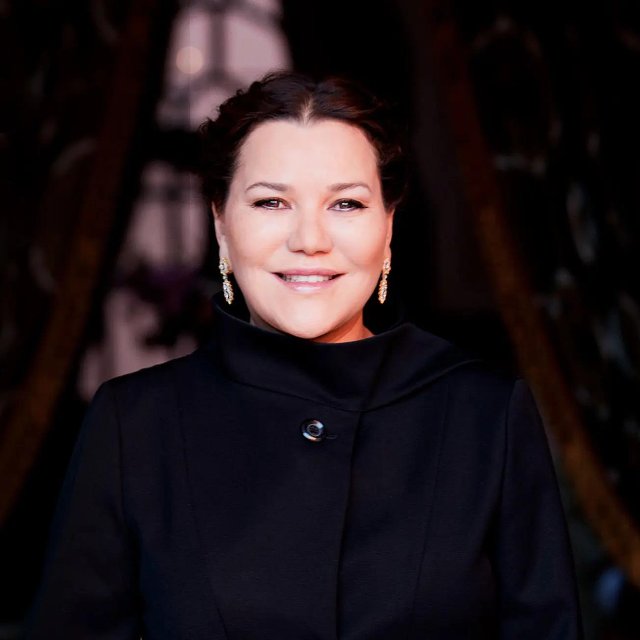
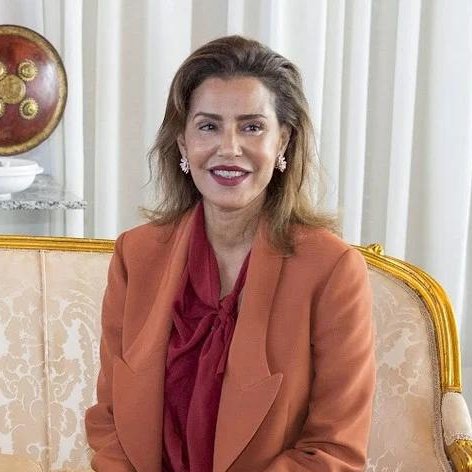
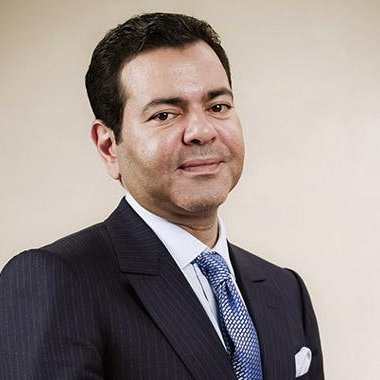
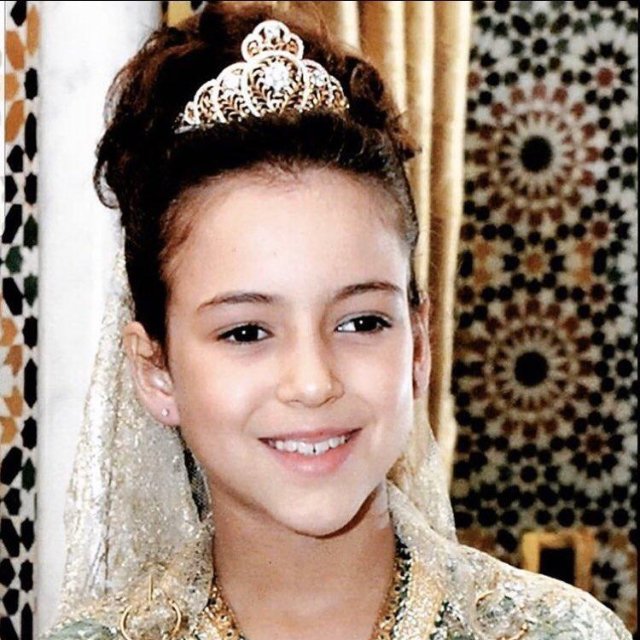
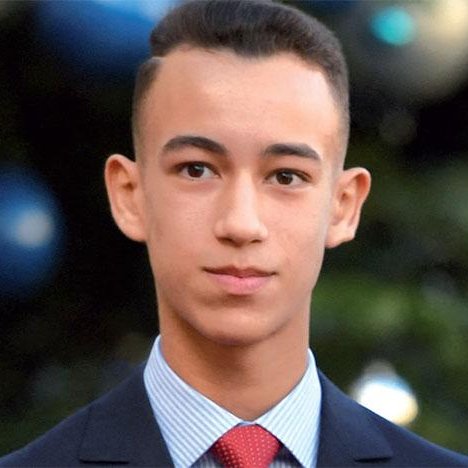
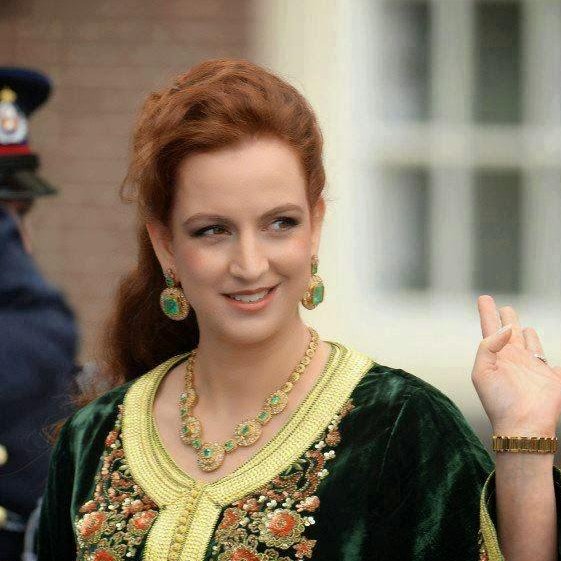
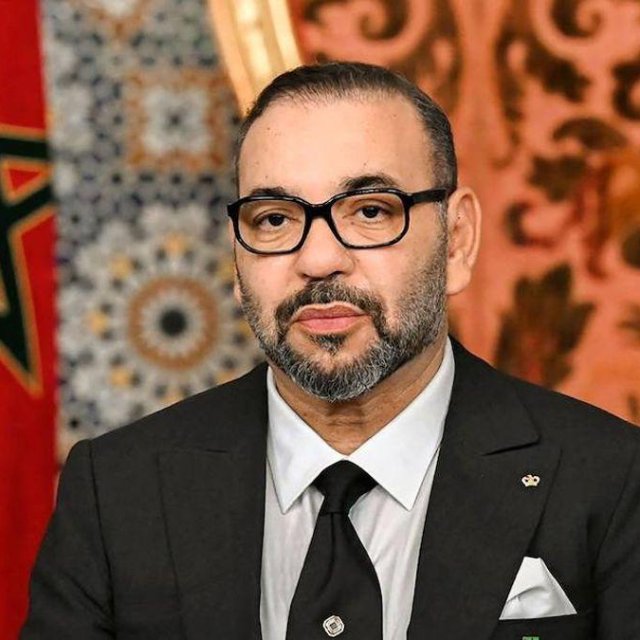
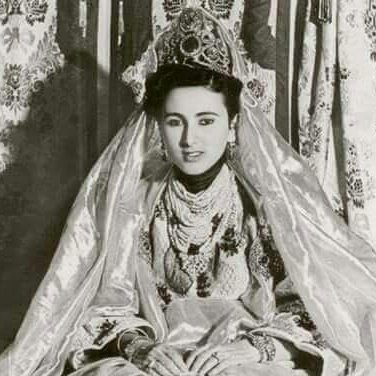
Moroccan Royal Family Photos
21 photos shared by the family
Notable Members
Key figures from 13 generations of the Moroccan Royal family
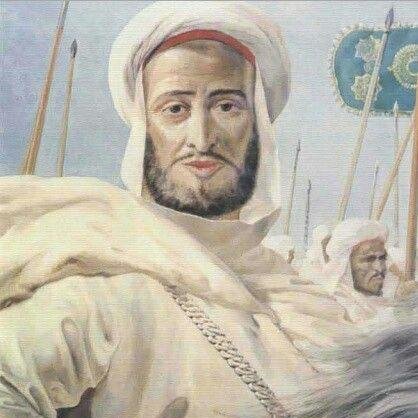
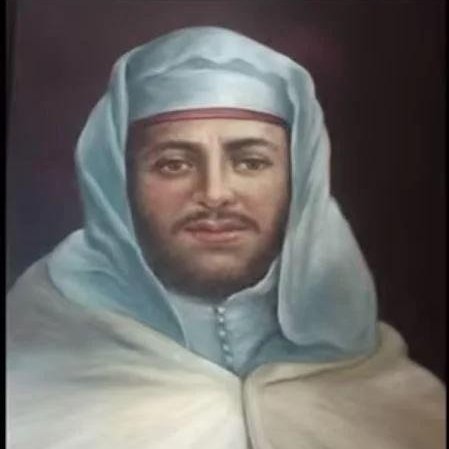
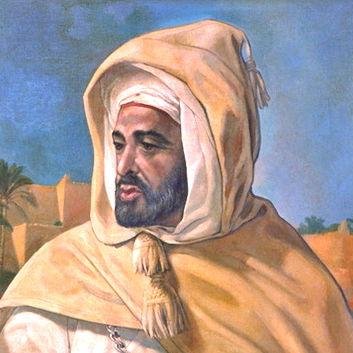
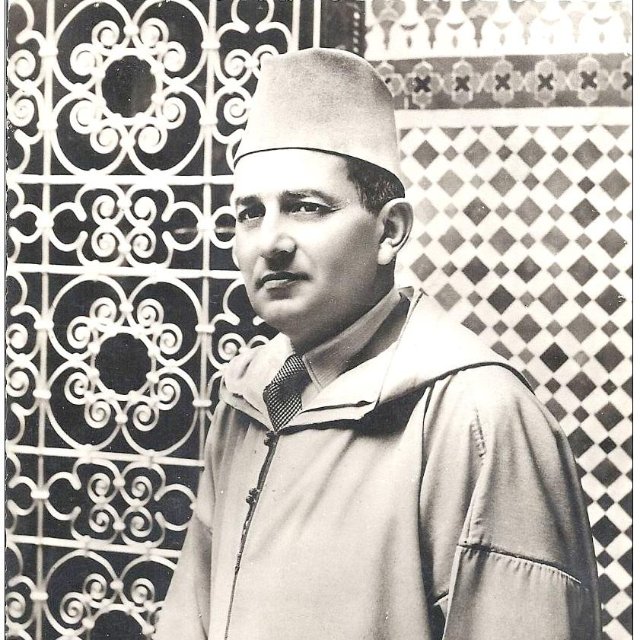

Family Members
Showing 11 of 32 people
Moulay Ali Sharif
Gen 1 · 1589 - 1659
Moulay Ali Sharif founded the Alaouite dynasty in the Tafilalt region in 1631. Revered as a Sharif claiming descent from Prophet Muhammad through Hasan ibn Ali, he laid the religious and political foundation for Morocco's current ruling dynasty, which has governed the country for nearly four centuries. Known For - Founder of the Alaouite dynasty. - Emir of Tafilalt. - Established Sharifian legitimacy.
Moulay al-Rashid
Gen 2 · 1631 - 1672
Moulay Rashid unified Morocco between 1666 and 1672 after defeating rival dynasties and tribal confederations. He became the first Alaouite Sultan of a united Morocco and transformed a regional family into Morocco's ruling royal house, creating the modern Alaouite state.
Moulay Abdallah
Gen 3 · 1694 - 1757
Moulay Abdallah ruled Morocco multiple times between 1729 and 1757 because of repeated rebellions and military coups. Despite instability, he preserved Alaouite rule until the emergence of a more stable monarchy under his son Mohammed III.
Sidi Mohammed ben Abdallah (Mohammed III)
Gen 4 · 1710 - 1790
Mohammed III ruled from 1757 to 1790 and restored stability after decades of succession disputes. He founded the port city of Essaouira, expanded international trade, recognized the United States in 1777, and modernized Morocco's diplomatic and commercial relations.
Moulay Abd al-Rahman
Gen 6 · 1778 - 1859
Moulay Abd al-Rahman ruled Morocco between 1822 and 1859 during increasing European pressure. He modernized parts of the military, navigated conflicts involving Algeria and France, and worked to preserve Moroccan sovereignty despite growing colonial ambitions.
Mohammed IV
Gen 7 · 1802 - 1873
Mohammed IV ruled Morocco from 1859 to 1873 during a period of rapid European influence. He introduced military and administrative reforms after Morocco's defeat in the Hispano-Moroccan War and expanded diplomatic engagement with European powers.
Moulay Hassan I
Gen 8 · 1836 - 1894
Hassan I ruled Morocco from 1873 until 1894 and is remembered as one of the last powerful independent sultans before colonial rule. He traveled extensively across Morocco to strengthen central authority, modernized the army, improved administration, and resisted growing European political influence.
Moulay Yusef
Gen 9 · 1882 - 1927
Moulay Youssef served as Sultan under the French Protectorate from 1912 until 1927. Although political authority was limited, he preserved the Alaouite monarchy's religious legitimacy while navigating French colonial administration and maintaining Morocco's royal institutions.
Mohammed V
Gen 10 · 1909 - 1961
Mohammed V became Sultan in 1927 and led Morocco's struggle for independence from France. Exiled in 1953 for supporting nationalism, he returned triumphantly in 1955 and became Morocco's first king in 1957. He is celebrated as the Father of Modern Independent Morocco.
Hassan II
Gen 11 · 1929 - 1999
King Hassan II ruled Morocco from 1961 until 1999 and became one of the country's most influential monarchs. He strengthened the constitutional monarchy, led the historic Green March in 1975, expanded Morocco's infrastructure, and positioned the kingdom as a major diplomatic bridge between Africa, Europe, and the Arab world.
Lalla Meryem
Gen 12 · b. 1962
Princess Lalla Meryem is the eldest daughter of King Hassan II and sister of Mohammed VI. She is internationally recognized for advocating children's rights, women's empowerment, literacy, education, and humanitarian causes through the Hassan II Foundation and several Moroccan social organizations. Known For: - Children's rights. - Women's empowerment. - UNESCO advocacy. - Humanitarian leadership.
Is this your family?
Claim this tree to correct it, add relatives, and keep it up to date yourself.
Claim this treeStart your own family tree
Build yours for free, then send relatives a link to fill in their side of the family.
Start my tree, freeRelationship Explorer
How are two people related?
Pick any two names in the tree to trace the exact line of descent, marriage or shared ancestor connecting them.
Moulay Ali Sharif is Lalla Khadija's 10x Great-Grandfather.
- 👩Lalla Khadijadaughter of
- 👨Mohammed VIson of
- 👨Hassan IIson of
- 👨Mohammed Vson of
- 👨Moulay Yusefson of
- 👨Moulay Hassan Ison of
- 👨Mohammed IVson of
- 👨Moulay Abd al-Rahmanson of
- 👨Moulay Hishamson of
- 👨Sidi Mohammed ben Abdallah (Mohammed III)son of
- 👨Moulay Abdallahson of
- 👨Moulay Ismail ibn Sharifson of
- 👨Moulay Ali Sharif
Find out how you're related to your own cousins.
Build your treeIs this your family?
Claim the Moroccan Royal family tree to take it over, edit it, and add family members yourself.
Frequently Asked Questions
How many people are in the Moroccan Royal family tree?+−
This family tree currently documents 32 people across 13 recorded generations.
How many generations does the Moroccan Royal family tree span?+−
13 generations are recorded so far, and may grow as more history is added.
How many marriages are recorded?+−
6 marriages are recorded in this family.
Where is the Moroccan Royal family from?+−
The most commonly recorded native place is Rabat, Morocco.
Start building your own family story
Create a tree in minutes, import a GEDCOM file, or explore more public family trees.
Free. Private by default. GEDCOM export any time.