Military Officer Ranks Explained: Understanding the Hierarchy and Preserving Defence Family Legacies
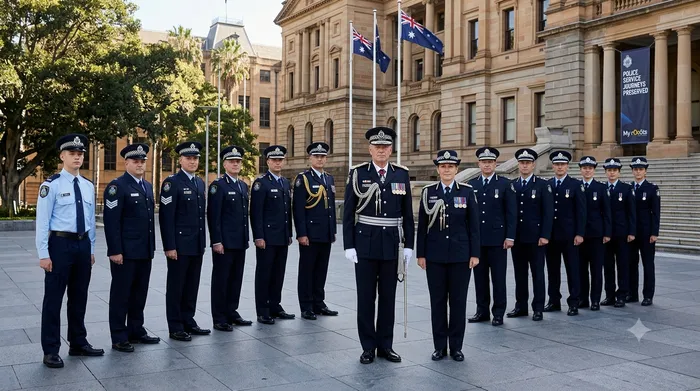
Military service represents dedication, discipline, courage, and commitment to protecting a nation.
For many families, having a defence personnel member is a matter of great pride. Their postings, achievements, medals, experiences, and sacrifices become an important part of the family’s history.
A military career is not just a profession. It is a journey through different responsibilities, leadership roles, and life-changing experiences.
Preserving these journeys helps future generations understand the people behind the uniform.
Understanding Military Rank Hierarchy
Military rank structures vary between countries and branches such as the Army, Navy, and Air Force.
In general, ranks represent increasing levels of responsibility, leadership, and command authority.
A typical officer hierarchy includes:
Junior Military Officer Ranks
Lieutenant
Lieutenant is usually one of the first commissioned officer ranks.
A Lieutenant may be responsible for:
- Leading a small team of soldiers
- Managing daily operations
- Training personnel
- Executing mission plans
This rank marks the beginning of an officer’s leadership journey.
Captain
A Captain usually takes responsibility for larger teams and more complex operations.
Responsibilities may include:
- Commanding units
- Managing operational activities
- Training junior personnel
- Planning missions
Many officers develop significant leadership experience during this stage.
Major
A Major is a senior field officer with increased command and administrative responsibilities.
They may:
- Lead larger teams
- Coordinate operations
- Manage strategic activities
- Mentor junior officers
This rank often represents years of experience and professional growth.
Senior Military Officer Ranks
Lieutenant Colonel
A Lieutenant Colonel often holds important command positions.
Responsibilities may include:
- Leading battalions or equivalent units
- Managing large groups of personnel
- Making operational decisions
- Ensuring mission readiness
Colonel
A Colonel is a senior officer responsible for significant leadership roles.
They may oversee:
- Large military units
- Training programs
- Operational planning
- Administrative responsibilities
Higher Command Ranks
Brigadier
A Brigadier generally commands larger formations and plays an important role in operational planning.
Responsibilities may include:
- Coordinating multiple units
- Strategic decision-making
- Managing large-scale operations
Major General
A Major General is a senior commander responsible for major military formations.
They may handle:
- Regional commands
- Defence planning
- Large-scale operations
Lieutenant General
A Lieutenant General holds one of the highest levels of military leadership.
Responsibilities often include:
- Commanding major formations
- Developing defence strategies
- Managing senior-level operations
General
The General is among the highest-ranking positions in the Army.
A General may be responsible for:
- Overall military leadership
- Strategic decisions
- National defence planning
Navy and Air Force Officer Hierarchy
While rank names differ between branches, the leadership structure follows a similar pattern.
Examples include:
Navy
- Sub Lieutenant
- Lieutenant
- Lieutenant Commander
- Commander
- Captain
- Admiral
Air Force
- Flying Officer
- Flight Lieutenant
- Squadron Leader
- Wing Commander
- Group Captain
- Air Marshal
Each rank represents increasing responsibility, expertise, and leadership.
Why Military Service Stories Matter in Family History
A military career contains experiences that should not be forgotten.
Families can preserve stories about:
- Training and academies attended
- Military postings
- Operations and assignments
- Medals and recognitions
- Retirement memories
- Life lessons from service
These details help future generations understand the dedication behind their family’s legacy.
Add Defence Journeys to Your Family Tree
A person’s identity is not only defined by their name and relationships.
Their achievements, career, and contributions are also part of their story.
For military family members, you can preserve:
- Rank progression
- Years of service
- Regiment or unit details
- Photographs in uniform
- Awards and honours
- Personal experiences
This transforms a family tree into a complete record of generations.
How My rOoOts Helps Preserve Military Legacies
My rOoOts helps families create meaningful family histories by connecting relationships with personal journeys.
Families can preserve:
- Defence career milestones
- Service memories
- Family photographs
- Achievements and awards
- Stories from different generations
Whether someone served for a few years or dedicated an entire lifetime to the armed forces, their journey deserves to be remembered.
Create your free family tree with My rOoOts:
https://myrooots.app/create-tree
Honour the Stories Behind the Uniform
Every military officer’s journey represents dedication, discipline, and sacrifice.
Recording these stories ensures future generations remember not only the rank they achieved, but also the person behind the uniform.
A family tree preserves where we came from. A family legacy preserves what those people stood for.
Find Any Family Relationship Instantly
Not sure how someone is related to you? Use the MyRooots Relationship Calculator to instantly identify relationships such as cousin, aunt, uncle, nephew, niece, in-laws, and many more. It is a quick and easy tool for understanding complex family connections.
👉 MyRooots Relationship Calculator
Create a Beautiful Family Tree Online
Turn your family information into a clear and organized family tree within minutes. The MyRooots Family Tree Generator helps you add relatives, connect generations, and create a shareable family tree that can grow over time.
👉 MyRooots Family Tree Generator
Visualize Your Family History Through Time
See your ancestors in chronological order with the My rOoOts Ancestor Timeline Generator. It creates a visual timeline of births, marriages, deaths, and important life events, making it easier to understand your family's history across generations.
Check Zodiac Compatibility for Any Two People
Curious about how well two people match based on their date of birth? Try the My rOoOts Zodiac Compatibility Tool to compare zodiac signs, explore relationship compatibility, and get a quick compatibility score for couples, friends, or family members.
👉 Check compatibility now: Zodiac Compatibility Calculator
You can enter two dates of birth and even mention the relationship type to get a more personalized compatibility result.
Create Your Family Tree for Free
Start building your family history in minutes with the My rOoOts Free Family Tree Creator. Add parents, grandparents, children, and relatives, organize generations visually, and create a beautiful family tree that you can save and share.
👉 Create your free family tree: Free Family Tree Creator
No design skills required. Simply enter your family details and generate a clear, easy-to-read family tree online for free.
Download a Free Family Tree Template
Want to draw your family tree yourself? The My rOoOts Family Tree Template provides a free printable blank pedigree chart for documenting your family history across multiple generations.
👉 Download a free family tree template: Family Tree Template
Choose a 3-generation, 4-generation, or 5-generation family tree template and save it as a PDF for printing, writing, and documenting your ancestors.
Discover the Meaning and Origin of Your Surname
Ever wondered where your family name came from? Use the My rOoOts Surname Meaning Lookup to explore surname meanings, origins, history, and etymology from different regions and cultures around the world.
👉 Discover your surname meaning: Surname Meaning Lookup
Learn more about your last name and explore the possible linguistic, geographic, cultural, and historical roots behind your family surname.
Start your family tree free
No account needed to begin. Build it in minutes, then save it whenever you're ready.
Build your family tree