Public Family Trees/Vanderbilt Family Tree - America's Gilded Age Dynasty from Commodore Cornelius to Anderson Cooper
Vanderbilt Family Tree - America's Gilded Age Dynasty from Commodore Cornelius to Anderson Cooper
Explore 60 people across 6 generations of the Vanderbilt family, built with My rOoOts.
60
People
6
Generations
1
Living
59
Passed on
26
Marriages
71 yrs
Avg. lifespan
Family Tree
60 members mapped across 6 generations
Loading family tree…
Your turn
Build a tree like this for your own family
Free, with no sign-up to start. Add yourself, then your parents and grandparents, and watch it grow.
About the Vanderbilt family
The Vanderbilts are an American family who rose from Dutch farming stock on Staten Island to hold the largest private fortune in the United States, built by Cornelius Vanderbilt, known as the Commodore, out of nineteenth century shipping and railroads, and known today for the Gilded Age houses their descendants built and for figures from Consuelo, Duchess of Marlborough, to the journalist Anderson Cooper.
At a glance
- Founder
- Cornelius Vanderbilt (1794-1877), the Commodore
- Origin
- Staten Island, New York, of Dutch descent
- Source of wealth
- Steamboat shipping, then the New York Central railroads
- Famous houses
- The Breakers, Marble House, Biltmore House, Hyde Park
- Best known members
- Consuelo Vanderbilt, Gertrude Vanderbilt Whitney, Gloria Vanderbilt, Anderson Cooper
- Generations covered
- Five, from the Commodore to Anderson Cooper
6 generations, 1794 to 1967
1794
Gen 1
Cornelius Vanderbilt1821
Gen 2
William Henry Vanderbilt1843
Gen 3
Cornelius Vanderbilt II1873
Gen 4
Cornelius Vanderbilt III1897
Gen 5
Flora Payne Whitney1967
Gen 6
Anderson Cooper
Read the full historyHide the full history
Origins on Staten Island
The family descends from Jan Aertsen van der Bilt, a Dutch settler who reached New Netherland in the seventeenth century and whose descendants farmed on Staten Island for generations. Cornelius Vanderbilt (1794-1877) was born there, the son of a boatman, and began work as a teenager carrying freight across New York Harbour in a single sailing barge. He married his first cousin Sophia Johnson in 1813.
The railroad fortune
Vanderbilt moved from sail to steam, dominated the Hudson River and coastal trade, and after the Civil War turned to railroads, consolidating the New York Central system and building Grand Central Depot. He left almost the whole fortune to one son, William Henry Vanderbilt, who nearly doubled it in eight years before dividing it evenly among his own eight children. They built the family's great houses: The Breakers and Marble House at Newport, Biltmore House in North Carolina, Hyde Park on the Hudson, Florham in New Jersey and Shelburne Farms in Vermont.
Notable members
The third and fourth generations produced Consuelo Vanderbilt, who married the 9th Duke of Marlborough and became a social reformer in England; the sculptor Gertrude Vanderbilt Whitney, founder of the Whitney Museum of American Art; Alfred Gwynne Vanderbilt, who died in the sinking of the Lusitania; and Harold Stirling Vanderbilt, who won the America's Cup three times and invented contract bridge. The modern line runs through Reginald Claypoole Vanderbilt to the designer Gloria Vanderbilt and her son, the CNN anchor Anderson Cooper.
Significance
No American family is more closely identified with the Gilded Age. The Vanderbilts set the pattern for how new industrial wealth was spent, and then for how quickly such a fortune disperses across many heirs. What endures is institutional: Vanderbilt University, the Whitney Museum, and the houses at Newport, Hyde Park, Shelburne and Asheville that are now museums and public estates.
Notable Members
Key figures from 6 generations of the Vanderbilt family
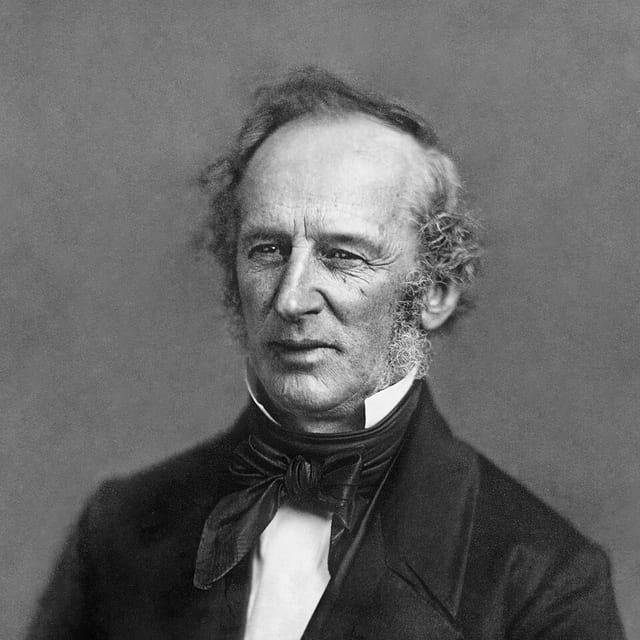
 Gen 2
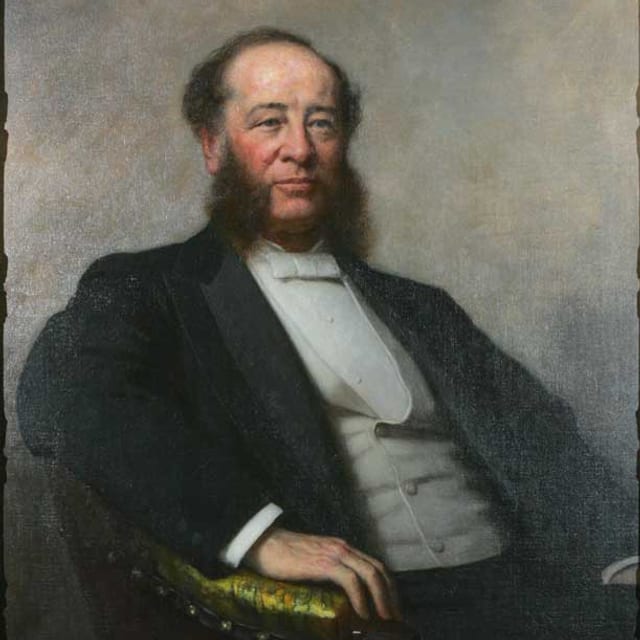
Gen 2William Henry Vanderbilt
1821 - 1885
Railroad executive
Photo: Eastman Johnson, Public domain, via Wikimedia Commons
 Gen 4
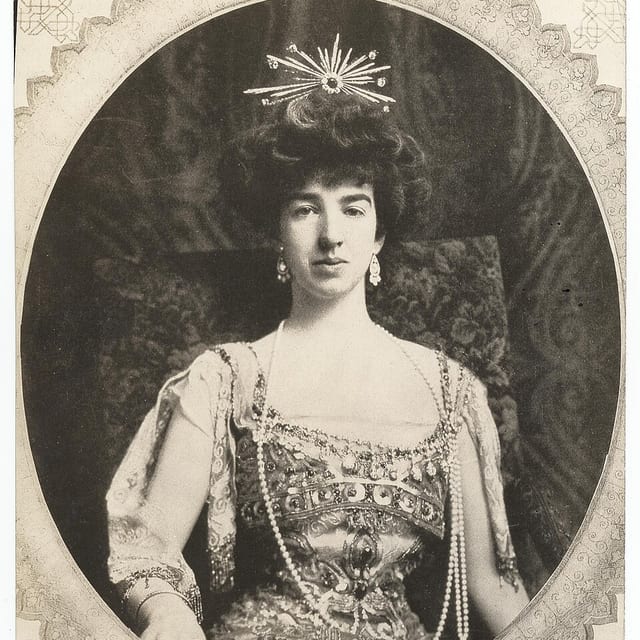
Gen 4Gertrude Vanderbilt Whitney
1875 - 1942
Sculptor and art patron
Photo: Unknown author Unknown author, Public domain, via Wikimedia Commons
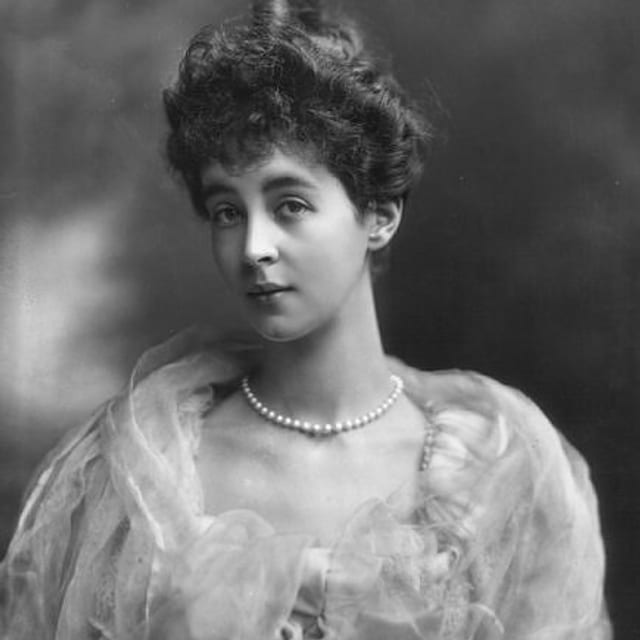 Gen 4
Gen 4Consuelo Vanderbilt
1877 - 1964
Duchess, memoirist and social reformer
Photo: Lafayette L2115a, Public domain, via Wikimedia Commons
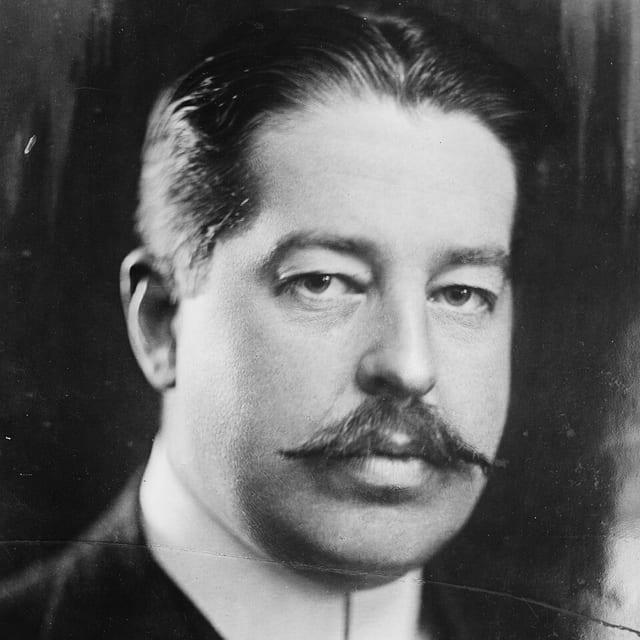 Gen 4
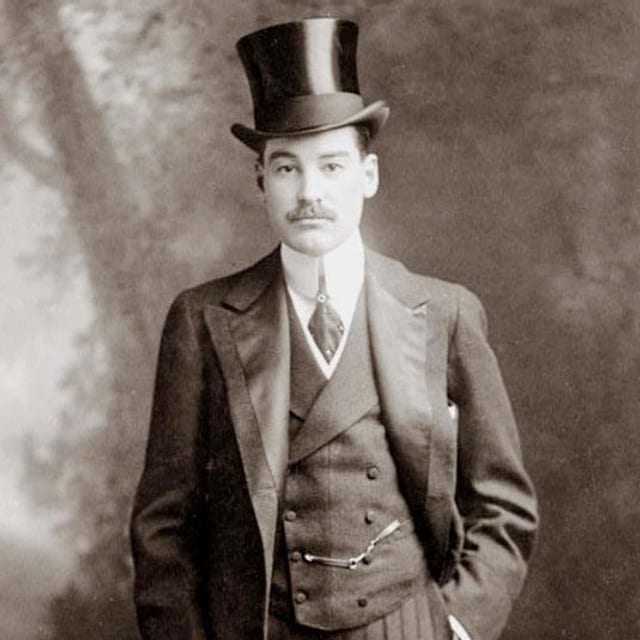
Gen 4Reginald Claypoole Vanderbilt
1880 - 1925
Horse breeder and sportsman
Photo: Bain News Service, publisher, Public domain, via Wikimedia Commons
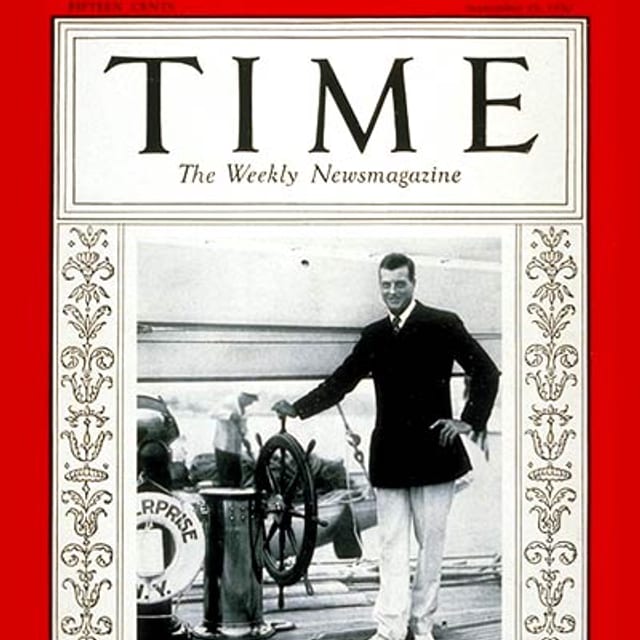 Gen 4
Gen 4Harold Stirling Vanderbilt
1884 - 1970
Yachtsman, railway executive and bridge authority
Photo: Cover credit: International, Public domain, via Wikimedia Commons
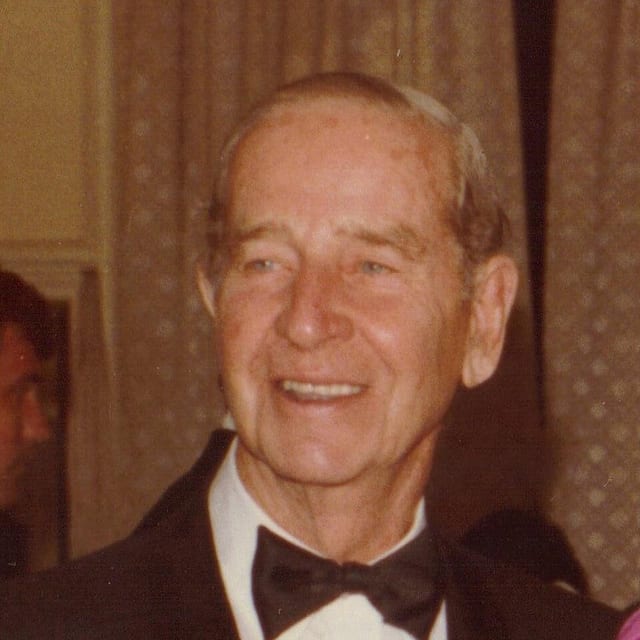 Gen 5
Gen 5Cornelius Vanderbilt Whitney
1899 - 1992
Businessman, film producer and thoroughbred owner
Photo: User:Kimnelson46, Public domain, via Wikimedia Commons
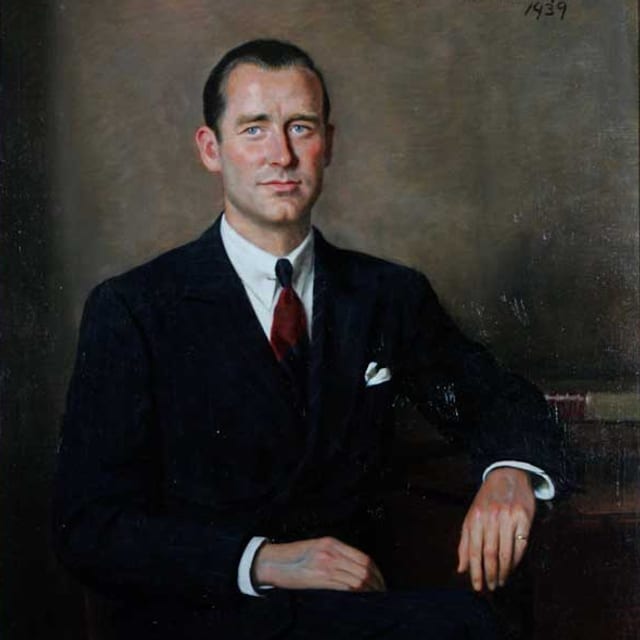 Gen 5
Gen 5William Henry Vanderbilt III
1901 - 1981
Governor of Rhode Island
Photo: Ellen Emmet Rand, Public domain, via Wikimedia Commons
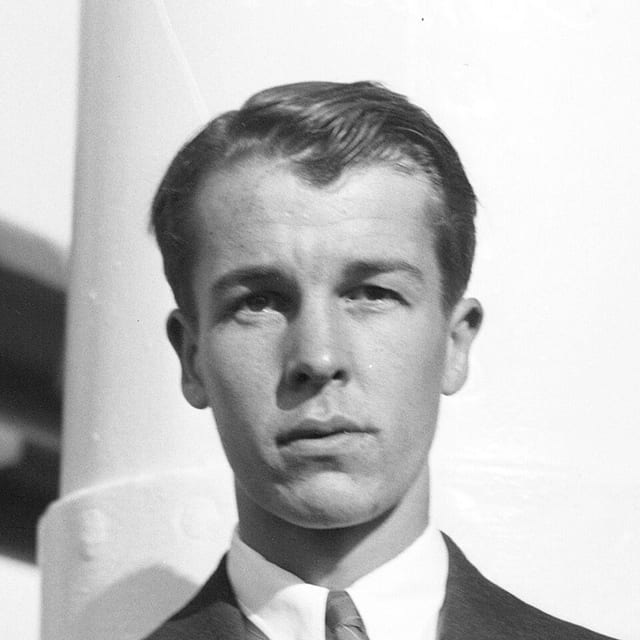
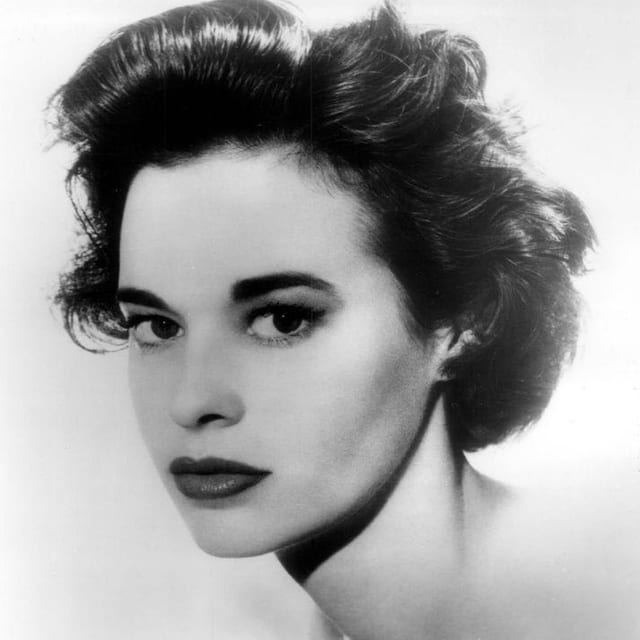

Family Members
Showing 11 of 60 people
Cornelius Vanderbilt
Gen 1 · 1794 - 1877
Cornelius Vanderbilt, known throughout his life as the Commodore, was an American shipping and railroad magnate who built the largest private fortune in the United States of his day. Born on Staten Island, New York, into a family of Dutch descent whose father worked as a boatman, he began with a single sailing barge in New York Harbour as a teenager, expanded into steamboats on the Hudson and on coastal and transatlantic routes, then moved into railroads after the Civil War, consolidating the New York Central system and building Grand Central Depot in Manhattan. He married his first cousin Sophia Johnson and, after her death, Frank Armstrong Crawford. Of his thirteen children he entrusted the fortune almost entirely to his eldest surviving son, William Henry Vanderbilt. A gift of one million dollars in 1873 founded Vanderbilt University in Nashville.
Frank Armstrong Crawford Vanderbilt
Gen 1 · 1839 - 1885
Frank Armstrong Crawford Vanderbilt was the second wife of Cornelius Vanderbilt, whom she married in 1869, and a distant cousin of his through her mother. Born in Mobile, Alabama, and given a man's name after a family friend, she was educated in the South and was some forty five years younger than her husband. She is remembered chiefly for persuading him to make the gift of one million dollars that in 1873 endowed the Central University of the Methodist Episcopal Church, South, in Nashville, renamed Vanderbilt University in his honour; the institution's founder, Bishop Holland McTyeire, was her kinsman. She had no children with Vanderbilt and survived him by eight years.
William Henry Vanderbilt
Gen 2 · 1821 - 1885
William Henry Vanderbilt was an American railroad executive who, on inheriting the bulk of his father Cornelius Vanderbilt's estate in 1877, nearly doubled the family fortune in eight years and left about two hundred million dollars at his death. Born in New Brunswick, New Jersey, he was long dismissed by his father as unfit for business and sent to farm on Staten Island, where his success in running the Staten Island Railway won him a place in the family enterprises. As president of the New York Central and Hudson River Railroad he extended the system westward and built the twin mansions on Fifth Avenue. With his wife Maria Louisa Kissam he had eight children, including Cornelius Vanderbilt II, William Kissam Vanderbilt and George Washington Vanderbilt II, and he divided his estate far more evenly among them than his father had.
Cornelius Jeremiah Vanderbilt
Gen 2 · 1830 - 1882
Cornelius Jeremiah Vanderbilt was the younger surviving son of Commodore Cornelius Vanderbilt and Sophia Johnson, and the brother of William Henry Vanderbilt. Born on Staten Island, New York, he was in poor health from childhood and never entered the family shipping or railroad businesses, living instead on allowances from his father and on money raised against the family name. When the Commodore died in 1877 leaving him only the income from a small trust while his brother received almost everything, he contested the will in a celebrated New York court battle that ran for more than a year and aired the family's private affairs in the press. The case was settled in 1879, and he died three years later.
Cornelius Vanderbilt II
Gen 3 · 1843 - 1899
Cornelius Vanderbilt II was an American railroad executive and philanthropist, the eldest son of William Henry Vanderbilt and head of the family after his father's death in 1885. Born at New Dorp on Staten Island, New York, he became chairman of the New York Central and Hudson River Railroad and a director of many allied lines, and was known within the family as the hardest working and most devout of his generation. With his wife Alice Claypoole Gwynne he built The Breakers at Newport, Rhode Island, and the vast chateau at Fifth Avenue and 57th Street, the largest private house ever built in New York City. Their surviving children were Cornelius Vanderbilt III, Gertrude Vanderbilt Whitney, Alfred Gwynne Vanderbilt, Reginald Claypoole Vanderbilt and Gladys, Countess Szechenyi.
William Kissam Vanderbilt
Gen 3 · 1849 - 1920
William Kissam Vanderbilt was an American railroad executive, thoroughbred breeder and yachtsman, the second son of William Henry Vanderbilt. Born at New Dorp on Staten Island, New York, he managed the family's railroad interests alongside his brother Cornelius Vanderbilt II before withdrawing from business to concentrate on racing in France and on collecting. With his first wife Alva Erskine Smith he built the Petit Chateau at 660 Fifth Avenue and Marble House at Newport, and used the celebrated costume ball of 1883 to force open the doors of Mrs Astor's New York society. Their children were Consuelo, Duchess of Marlborough, William Kissam Vanderbilt II and Harold Stirling Vanderbilt. After his divorce in 1895 he married Anne Harriman.
Cornelius Vanderbilt III
Gen 4 · 1873 - 1942
Cornelius Vanderbilt III was an American military officer, engineer and yachtsman, the eldest surviving son of Cornelius Vanderbilt II. Born in New York City and trained at Yale in mechanical engineering, he patented improvements to locomotives and railway cars and held senior posts in the New York Central system. His marriage in 1896 to Grace Graham Wilson, made against his father's wishes, cost him his place as principal heir, most of the estate passing instead to his younger brother Alfred Gwynne Vanderbilt. He served in the Spanish American War and commanded engineer troops in France in the First World War, rising to brigadier general, and was a prominent member of the New York Yacht Club.
Gertrude Vanderbilt Whitney
Gen 4 · 1875 - 1942
Gertrude Vanderbilt Whitney was an American sculptor, art patron and the founder of the Whitney Museum of American Art. The eldest surviving daughter of Cornelius Vanderbilt II and Alice Claypoole Gwynne, she was born in New York City and married Harry Payne Whitney in 1896. She trained in New York and Paris and won major public commissions in her own right, among them the Titanic Memorial in Washington, the Buffalo Bill monument at Cody, Wyoming, and the American war memorial at Saint Nazaire in France. She opened the Whitney Studio in Greenwich Village to show living American artists, and when the Metropolitan Museum declined her collection she founded the Whitney Museum in 1930. Her children included Flora Payne Whitney and Cornelius Vanderbilt Whitney.
Flora Payne Whitney
Gen 5 · 1897 - 1986
Flora Payne Whitney was an American art patron and museum administrator, the eldest child of the sculptor Gertrude Vanderbilt Whitney and Harry Payne Whitney. Born in New York City, she grew up between her mother's studio world and the Whitney racing stables, and made the Whitney Museum of American Art her life's work, serving as its president and later its chairman and guiding it through the move to the Marcel Breuer building on Madison Avenue in 1966. She was engaged to Quentin Roosevelt, the youngest son of Theodore Roosevelt, who was killed in action in 1918, and afterwards married Roderick Tower and then George Macculloch Miller.
John Spencer-Churchill
Gen 5 · 1897 - 1972
John Albert Edward William Spencer-Churchill, 10th Duke of Marlborough, was a British peer, the elder son of the 9th Duke and Consuelo Vanderbilt and therefore a grandson of William Kissam Vanderbilt. Educated at Eton, he served in the Life Guards in the First World War and again in the Second, during which Blenheim Palace, which he had inherited in 1934, was given over first to a relocated school and then to government intelligence work. He sat in the House of Lords, held county office in Oxfordshire, and worked to keep Blenheim intact by opening it more fully to visitors. He was a first cousin once removed of Winston Churchill.
Anderson Cooper
Gen 6 · b. 1967
Anderson Hays Cooper is an American broadcast journalist and author, the anchor of Anderson Cooper 360 on CNN and a correspondent for CBS's 60 Minutes. Born in New York City, the younger son of the designer Gloria Vanderbilt and the author Wyatt Emory Cooper, he is a great great great grandson of Commodore Cornelius Vanderbilt. He studied political science at Yale, then began reporting by carrying a camera into Burma, Vietnam and Somalia and selling the results to Channel One. He joined ABC News and then CNN, where his reporting from New Orleans after Hurricane Katrina in 2005 established him as one of the network's central figures. He wrote The Rainbow Comes and Goes with his mother and Vanderbilt: The Rise and Fall of an American Dynasty with Katherine Howe.
Is this your family?
Claim this tree to correct it, add relatives, and keep it up to date yourself.
Claim this treeStart your own family tree
Build yours for free, then send relatives a link to fill in their side of the family.
Start my tree, freeRelationship Explorer
How are two people related?
Pick any two names in the tree to trace the exact line of descent, marriage or shared ancestor connecting them.
Cornelius Vanderbilt is Anderson Cooper's 3x Great-Grandfather.
- 👨Anderson Cooperson of
- 👩Gloria Vanderbiltdaughter of
- 👨Reginald Claypoole Vanderbiltson of
- 👨Cornelius Vanderbilt IIson of
- 👨William Henry Vanderbiltson of
- 👨Cornelius Vanderbilt
Find out how you're related to your own cousins.
Build your treeIs this your family?
Claim the Vanderbilt family tree to take it over, edit it, and add family members yourself.
Frequently Asked Questions
How many people are in the Vanderbilt family tree?+−
This family tree currently documents 60 people across 6 recorded generations.
How many generations does the Vanderbilt family tree span?+−
6 generations are recorded so far, and may grow as more history is added.
How many marriages are recorded?+−
26 marriages are recorded in this family.
Where is the Vanderbilt family from?+−
The most commonly recorded native place is New York, New York, United States.
Start building your own family story
Create a tree in minutes, import a GEDCOM file, or explore more public family trees.
Free. Private by default. GEDCOM export any time.