Public Family Trees/Plantagenet Family Tree - The House of Plantagenet from Henry II to Richard III
Plantagenet Family Tree - The House of Plantagenet from Henry II to Richard III
Explore 50 people across 13 generations of the Plantagenet family, built with My rOoOts.
50
People
13
Generations
0
Living
50
Passed on
21
Marriages
45 yrs
Avg. lifespan
Family Tree
50 members mapped across 13 generations
Loading family tree…
Your turn
Build a tree like this for your own family
Free, with no sign-up to start. Add yourself, then your parents and grandparents, and watch it grow.
About the Plantagenet family
The House of Plantagenet was the royal dynasty that ruled England for 331 years, from the accession of Henry II in 1154 to the death of Richard III at the Battle of Bosworth in 1485, making it the longest-reigning royal house in English history. Fourteen Plantagenet kings held the throne in unbroken succession, and in the fifteenth century the family's two junior branches, the houses of Lancaster and York, fought each other for the crown in the civil wars later known as the Wars of the Roses.
At a glance
- Ruled
- England, 1154 to 1485
- Founder
- Henry II, son of Geoffrey V of Anjou and Empress Matilda
- Place of origin
- Anjou, France
- Kings
- Fourteen, from Henry II to Richard III
- Branches
- Angevin, Lancaster, York
- Emblems
- The broom flower, the red rose of Lancaster, the white rose of York
- Last king
- Richard III, killed at Bosworth in 1485
- Legacy
- Magna Carta, English common law, the growth of parliament
13 generations, 1133 to 1457
1133
Gen 1
Henry II of England1157
Gen 2
Richard I of England1207
Gen 3
Henry III of England1239
Gen 4
Edward I of England1284
Gen 5
Edward II of England1312
Gen 6
Edward III of England1330
Gen 7
Edward of Woodstock, the Black Prince1367
Gen 8
Henry IV of England1386
Gen 9
Henry V of England1421
Gen 10
Henry VI of England1411
Gen 11
Richard Plantagenet, 3rd Duke of York1442
Gen 12
Edward IV of England1457
Gen 13
Henry VII of England
Read the full historyHide the full history
Origins
The dynasty came from Anjou in western France. Geoffrey V, Count of Anjou, is said to have worn a sprig of broom, planta genista, in his cap, and from that nickname the family eventually took its name, although it was not used as an actual surname until Richard, 3rd Duke of York, adopted it in the 1440s. Geoffrey's marriage in 1128 to Empress Matilda, daughter and designated heir of Henry I of England, gave their son a claim to the English throne that he made good in 1154. With Normandy and Anjou behind him, and Aquitaine gained through his marriage to Eleanor of Aquitaine, Henry II ruled lands reaching from the Scottish border to the Pyrenees, the assemblage historians call the Angevin Empire.
Notable members
The early, or Angevin, kings are among the most familiar names in English history: Henry II, whose itinerant justices and sworn juries laid the foundations of the common law; Richard the Lionheart, a leading commander of the Third Crusade; and King John, who sealed Magna Carta at Runnymede in 1215. Henry III rebuilt Westminster Abbey, Edward I conquered Wales and summoned the Model Parliament, and Edward III opened the Hundred Years' War and founded the Order of the Garter. Later generations produced Edward the Black Prince, the victor of Poitiers, Henry V of Agincourt, and Richard III, whose lost grave was rediscovered in Leicester in 2012.
Lancaster and York
Edward III's many sons divided the dynasty. From his third surviving son, John of Gaunt, Duke of Lancaster, came Henry IV, Henry V and Henry VI, and, through Gaunt's Beaufort children, Margaret Beaufort and her son Henry VII. From his fourth son, Edmund of Langley, Duke of York, combined with the senior Mortimer descent from his second son, Lionel of Antwerp, came Richard, 3rd Duke of York, and his sons Edward IV and Richard III. The rivalry of those branches produced thirty years of intermittent civil war, ending when Henry Tudor defeated Richard III at Bosworth and married Elizabeth of York, uniting the red and white roses.
Significance
No other family has shaped English institutions so deeply. Under the Plantagenets, Magna Carta became a settled principle, parliament grew from an occasional royal council into a body whose consent was needed for taxation, the common law took its enduring form, and English displaced French as the language of the court. Their castles, abbeys and cathedrals still define the medieval landscape of England and Wales.
Notable Members
Key figures from 13 generations of the Plantagenet family
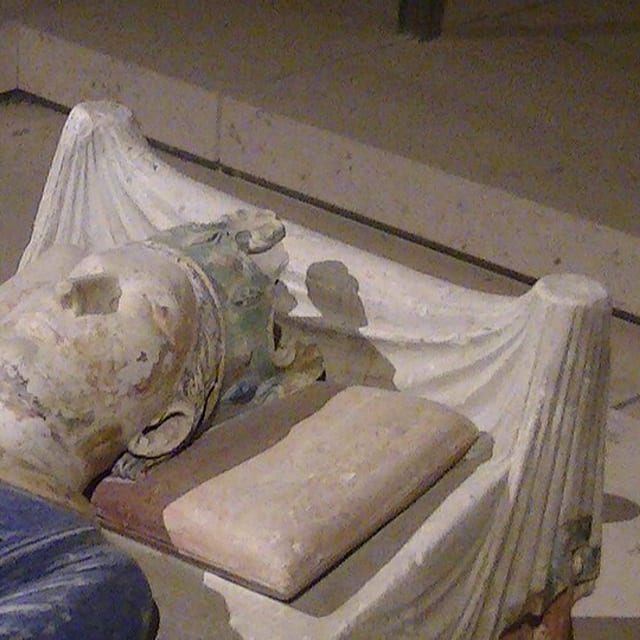
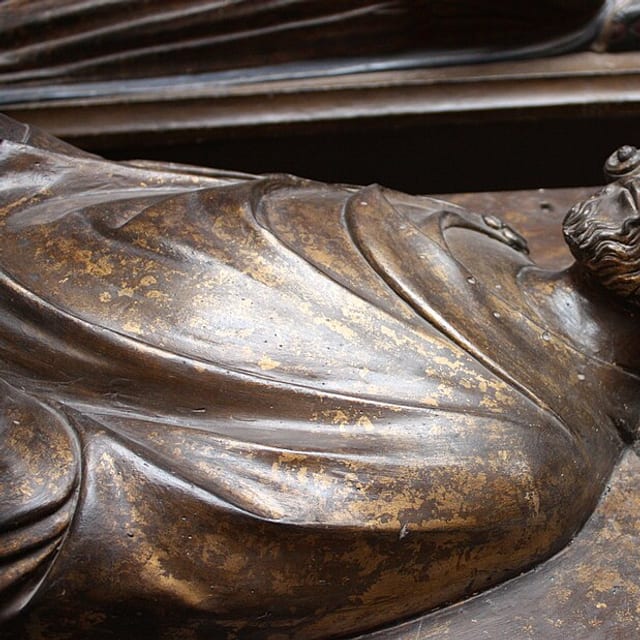 Gen 3
Gen 3Henry III of England
1207 - 1272
King of England
Photo: Wikipedia Loves Art participant " Va_Va_Val ", CC BY-SA 2.5, via Wikimedia Commons
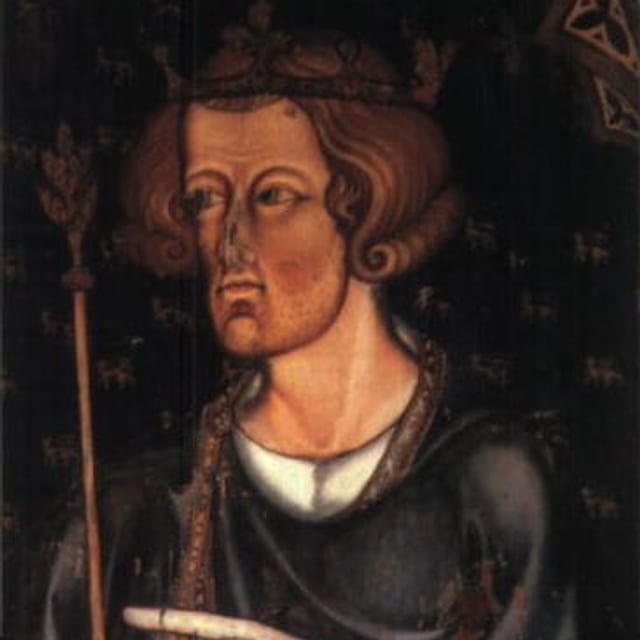 Gen 4
Gen 4Edward I of England
1239 - 1307
King of England
Photo: Remiguis Goebel, Public domain, via Wikimedia Commons
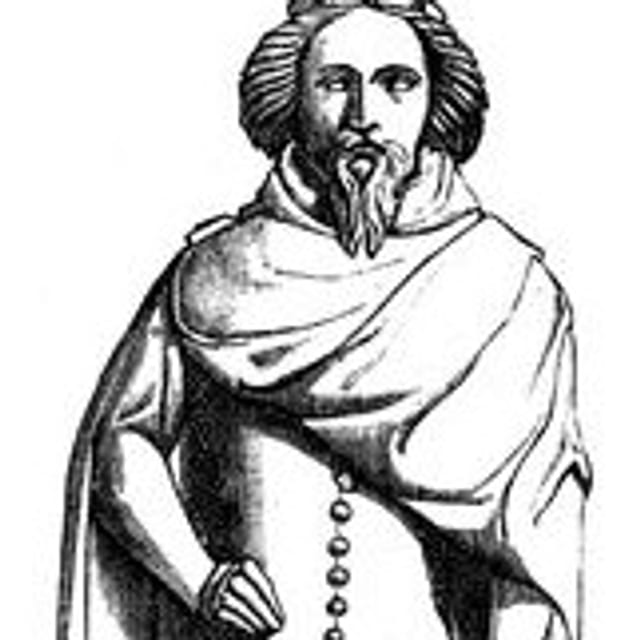 Gen 7
Gen 7Lionel of Antwerp
1338 - 1368
Duke of Clarence, Earl of Ulster
Photo: HISTORY OF ENGLAND by SAMUEL R. GARDINER, Public domain, via Wikimedia Commons
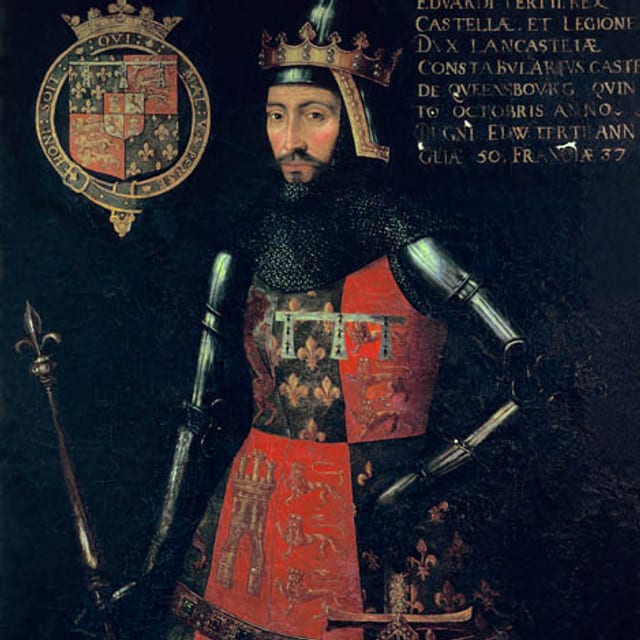
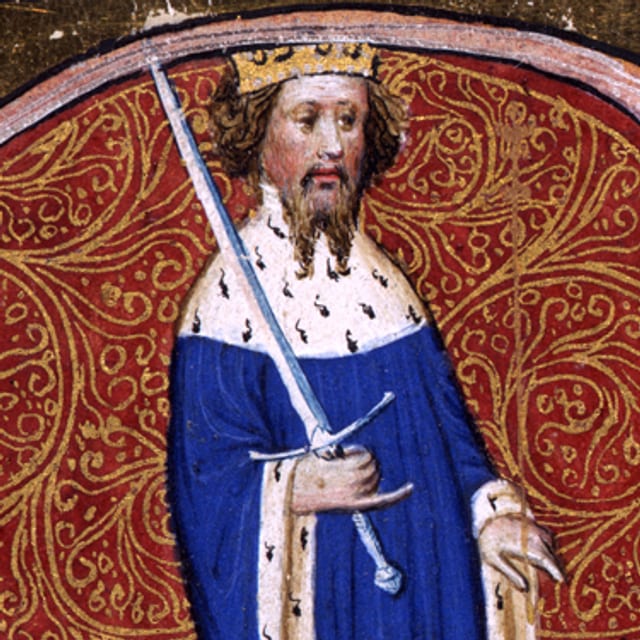 Gen 8
Gen 8Henry IV of England
1367 - 1413
King of England, Duke of Lancaster
Photo: The National Archives UK, Public domain, via Wikimedia Commons
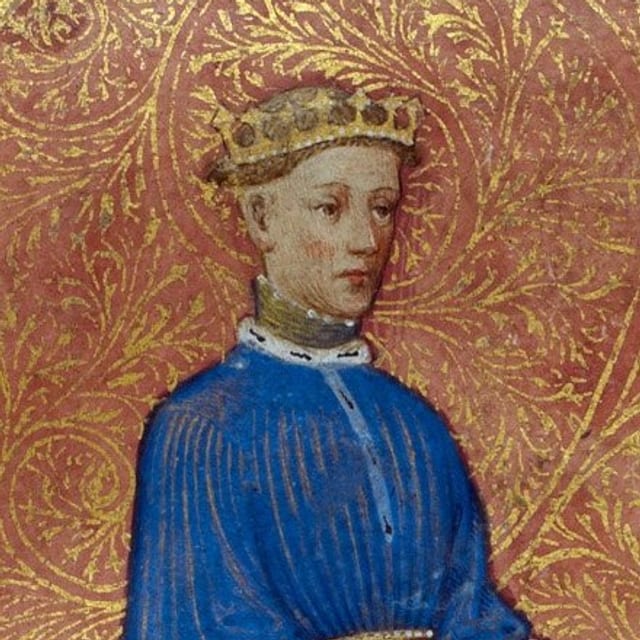 Gen 9
Gen 9Henry V of England
1386 - 1422
King of England
Photo: Unknown author Unknown author, Public domain, via Wikimedia Commons
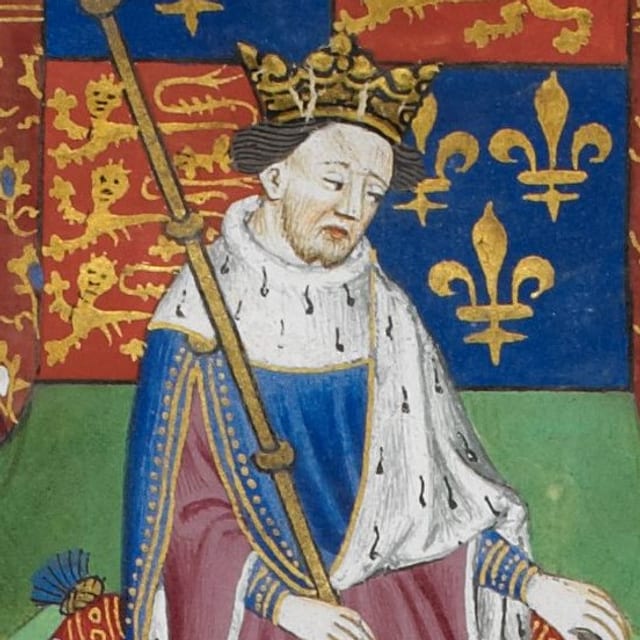
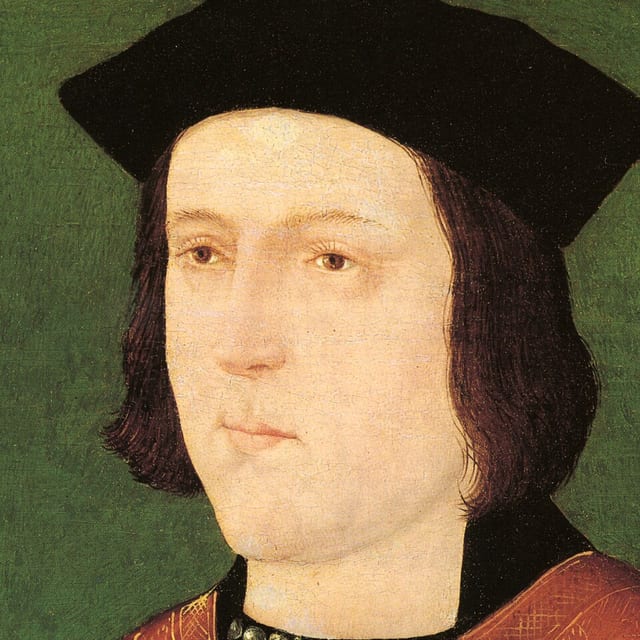
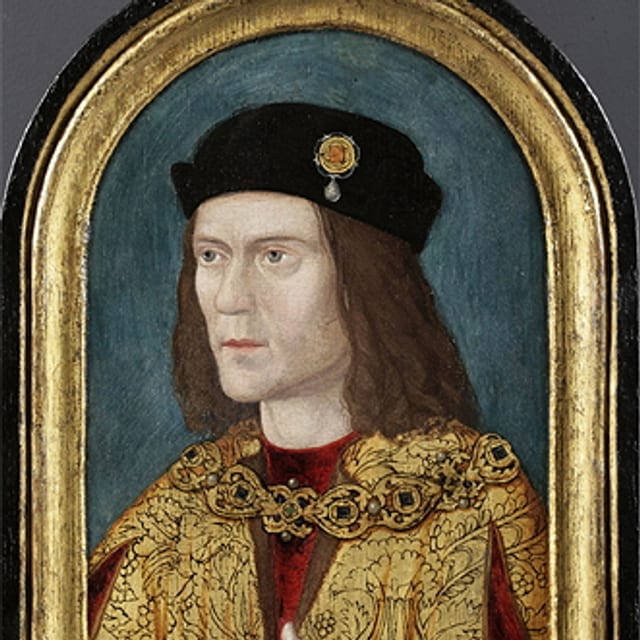
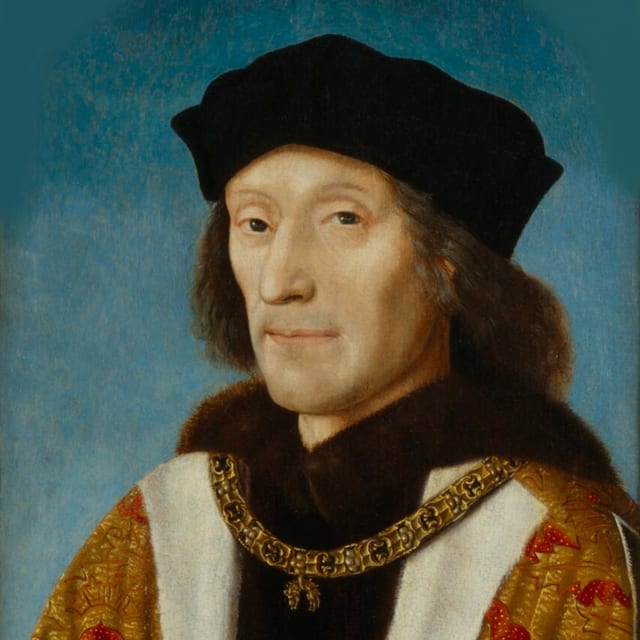
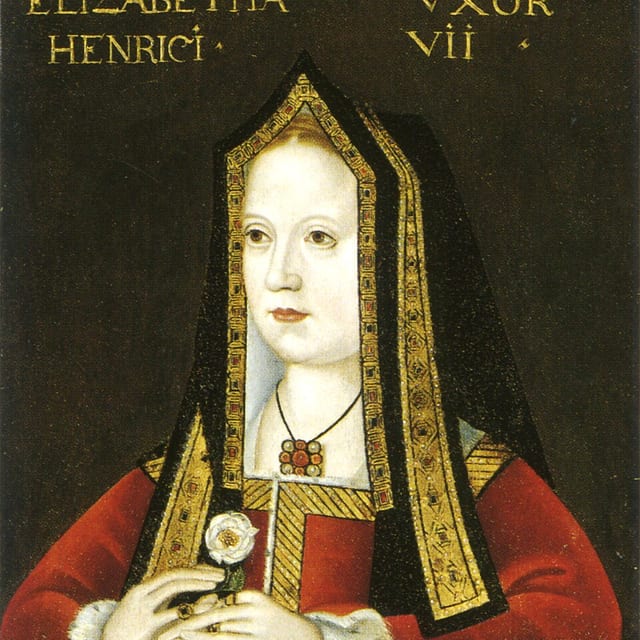
Family Members
Showing 11 of 50 people
Henry II of England
Gen 1 · 1133 - 1189
Henry II was King of England from 1154 to 1189 and the first monarch of the House of Plantagenet. Born at Le Mans in 1133 to Geoffrey V of Anjou and Empress Matilda, he inherited Anjou and Normandy, gained Aquitaine through his marriage to Eleanor of Aquitaine in 1152, and took the English crown two years later, ruling lands that stretched from the Scottish border to the Pyrenees. He rebuilt royal government after the civil war called the Anarchy, and his legal reforms, among them itinerant justices and sworn juries, laid the foundations of English common law. His reign was marked by his quarrel with Archbishop Thomas Becket and by rebellions led by his own sons. He died at Chinon in 1189 and was succeeded by Richard I.
Richard I of England
Gen 2 · 1157 - 1199
Richard I, known as Richard the Lionheart, was King of England from 1189 to 1199 and one of the leading commanders of the Third Crusade. Born at Oxford in 1157, a son of Henry II and Eleanor of Aquitaine, he was brought up in his mother's duchy of Aquitaine and became its duke, rebelling against his father more than once before succeeding him. He spent almost his entire reign abroad, campaigning in the Holy Land against Saladin, where he took Acre and Jaffa but never recovered Jerusalem. Returning overland, he was held for a vast ransom in Germany while England was governed by his officials and his mother. He died in the Limousin in 1199 and was succeeded by his brother John.
Henry III of England
Gen 3 · 1207 - 1272
Henry III was King of England from 1216 to 1272, one of the longest reigns in English history. The son of King John and Isabella of Angoulême, he was born at Winchester in 1207 and crowned at the age of nine while much of the country was still in rebel hands, ruling through regents until 1234. A devout and artistically minded king, he rebuilt Westminster Abbey in the Gothic style as a shrine for Edward the Confessor and as the burial church of his dynasty. His reliance on foreign relatives and his costly foreign schemes provoked the baronial reform movement of 1258 and the Second Barons' War, in which Simon de Montfort briefly controlled the government before being defeated by the king's son, the future Edward I.
Edward I of England
Gen 4 · 1239 - 1307
Edward I, called Longshanks, was King of England from 1272 to 1307. Born at Westminster in 1239, the eldest son of Henry III and Eleanor of Provence, he defeated Simon de Montfort at Evesham in 1265 and was away on crusade when he succeeded his father. As king he issued a great series of statutes that reshaped English land law and justice, summoned the Model Parliament of 1295, and completed the conquest of Wales, ringing it with castles such as Caernarfon, Conwy and Harlech. His later years were consumed by war in Scotland against William Wallace and Robert the Bruce. He married Eleanor of Castile, whose death in 1290 he marked with the Eleanor crosses, and died at Burgh by Sands in 1307.
Edward II of England
Gen 5 · 1284 - 1327
Edward II was King of England from 1307 to 1327. Born at Caernarfon in 1284, the son of Edward I and Eleanor of Castile, he was the first English heir to hold the title Prince of Wales. His reign was dominated by conflict with his barons over his reliance on favourites, above all Piers Gaveston and later Hugh Despenser the Younger, and by military failure in Scotland, where Robert the Bruce destroyed an English army at Bannockburn in 1314. In 1326 his wife Isabella of France and the exiled baron Roger Mortimer invaded England, and in January 1327 Edward became the first English king to be deposed by parliament, in favour of his teenage son Edward III. He died later that year at Berkeley Castle.
Edward III of England
Gen 6 · 1312 - 1377
Edward III was King of England from 1327 to 1377, one of the longest and most celebrated reigns of the Middle Ages. Born at Windsor in 1312 to Edward II and Isabella of France, he came to the throne as a boy after his father's deposition and took power into his own hands in 1330. Claiming the French crown through his mother, he opened the Hundred Years' War, winning at Sluys in 1340 and Crécy in 1346 and taking Calais, while his eldest son, the Black Prince, triumphed at Poitiers. He founded the Order of the Garter in 1348 and presided over the arrival of the Black Death and the steady growth of parliament. His many sons, and the rivalry of their descendants, shaped English politics for a century.
Edward of Woodstock, the Black Prince
Gen 7 · 1330 - 1376
Edward of Woodstock, known to later ages as the Black Prince, was the eldest son of Edward III and Philippa of Hainault and the most admired English soldier of his age. Born in 1330, he was created Prince of Wales in 1343 and commanded a division at Crécy in 1346 at the age of sixteen. Ten years later at Poitiers he captured John II of France, and from 1362 he ruled the principality of Aquitaine for his father. His later campaign in Castile drained his resources and his health, and he returned to England in 1371. He married his cousin Joan of Kent and died in 1376, a year before his father, so the crown passed instead to his young son Richard II.
Henry IV of England
Gen 8 · 1367 - 1413
Henry IV was King of England from 1399 to 1413 and the first monarch of the house of Lancaster. Born at Bolingbroke Castle in 1367, the son of John of Gaunt and Blanche of Lancaster, he was one of the Lords Appellant who curbed Richard II in 1388 and was later exiled, his inheritance seized. He returned in 1399, deposed his cousin Richard and was accepted as king by parliament. His reign was spent defending that title against the revolt of Owain Glyndwr in Wales, the Percy risings in the north and repeated conspiracies, and against a persistent shortage of money. He was the first king since the Norman Conquest whose first language was English. He died at Westminster in 1413.
Henry V of England
Gen 9 · 1386 - 1422
Henry V was King of England from 1413 to 1422 and the most successful English commander of the Hundred Years' War. Born at Monmouth in 1386, the son of Henry IV and Mary de Bohun, he fought at Shrewsbury as a teenager and governed Wales during the Glyndwr revolt. As king he renewed the war in France, taking Harfleur and winning an overwhelming victory at Agincourt in 1415 against a far larger army, then systematically conquering Normandy. The Treaty of Troyes in 1420 recognised him as heir to the French throne and gave him Catherine of Valois in marriage. He died at Vincennes in 1422, aged thirty-five, leaving a son not yet a year old as king.
Henry VI of England
Gen 10 · 1421 - 1471
Henry VI was King of England from 1422 to 1461 and again briefly from 1470 to 1471, and the only English king also crowned king of France. Born at Windsor in 1421, the son of Henry V and Catherine of Valois, he succeeded before his first birthday, and the realm was governed by his uncles for sixteen years. Pious, bookish and averse to war, he presided over the loss of nearly all Lancastrian France by 1453 and over a court so divided that Richard, Duke of York, twice took power as protector. The quarrel became the Wars of the Roses. He founded Eton College and King's College, Cambridge, and died in the Tower of London in 1471.
Richard Plantagenet, 3rd Duke of York
Gen 11 · 1411 - 1460
Richard Plantagenet, 3rd Duke of York, was the leading English magnate of the mid-fifteenth century and the father of Edward IV and Richard III. Born in 1411, he combined descent from Edward III's fourth son, Edmund of Langley, with the senior Mortimer claim inherited from his mother, Anne Mortimer, and he was the first of the family to use Plantagenet as an actual surname. He served as lieutenant of France and of Ireland and returned to England to demand reform of Henry VI's government, twice governing as Lord Protector during the king's incapacity. Excluded by the court party around Margaret of Anjou, he took up arms, and in 1460 was recognised as heir to the throne. He was killed at the battle of Wakefield that December.
Is this your family?
Claim this tree to correct it, add relatives, and keep it up to date yourself.
Claim this treeStart your own family tree
Build yours for free, then send relatives a link to fill in their side of the family.
Start my tree, freeRelationship Explorer
How are two people related?
Pick any two names in the tree to trace the exact line of descent, marriage or shared ancestor connecting them.
Henry II of England is Elizabeth of York's 8x Great-Grandfather.
- 👩Elizabeth of Yorkdaughter of
- 👨Edward IV of Englandson of
- 👨Richard Plantagenet, 3rd Duke of Yorkson of
- 👨Richard of Conisburghson of
- 👨Edmund of Langleyson of
- 👨Edward III of Englandson of
- 👨Edward II of Englandson of
- 👨Edward I of Englandson of
- 👨Henry III of Englandson of
- 👨John of Englandson of
- 👨Henry II of England
Find out how you're related to your own cousins.
Build your treeIs this your family?
Claim the Plantagenet family tree to take it over, edit it, and add family members yourself.
Frequently Asked Questions
How many people are in the Plantagenet family tree?+−
This family tree currently documents 50 people across 13 recorded generations.
How many generations does the Plantagenet family tree span?+−
13 generations are recorded so far, and may grow as more history is added.
How many marriages are recorded?+−
21 marriages are recorded in this family.
Where is the Plantagenet family from?+−
The most commonly recorded native place is England.
Start building your own family story
Create a tree in minutes, import a GEDCOM file, or explore more public family trees.
Free. Private by default. GEDCOM export any time.